Get your free personalized podcast brief
We scan new podcasts and send you the top 5 insights daily.
Lacking standardized metrics for responsible AI, investors are treating corporate transparency as a key proxy for governance maturity. A company's willingness to disclose its AI practices is seen as a direct indicator of its risk management, influencing investment decisions.

Related Insights
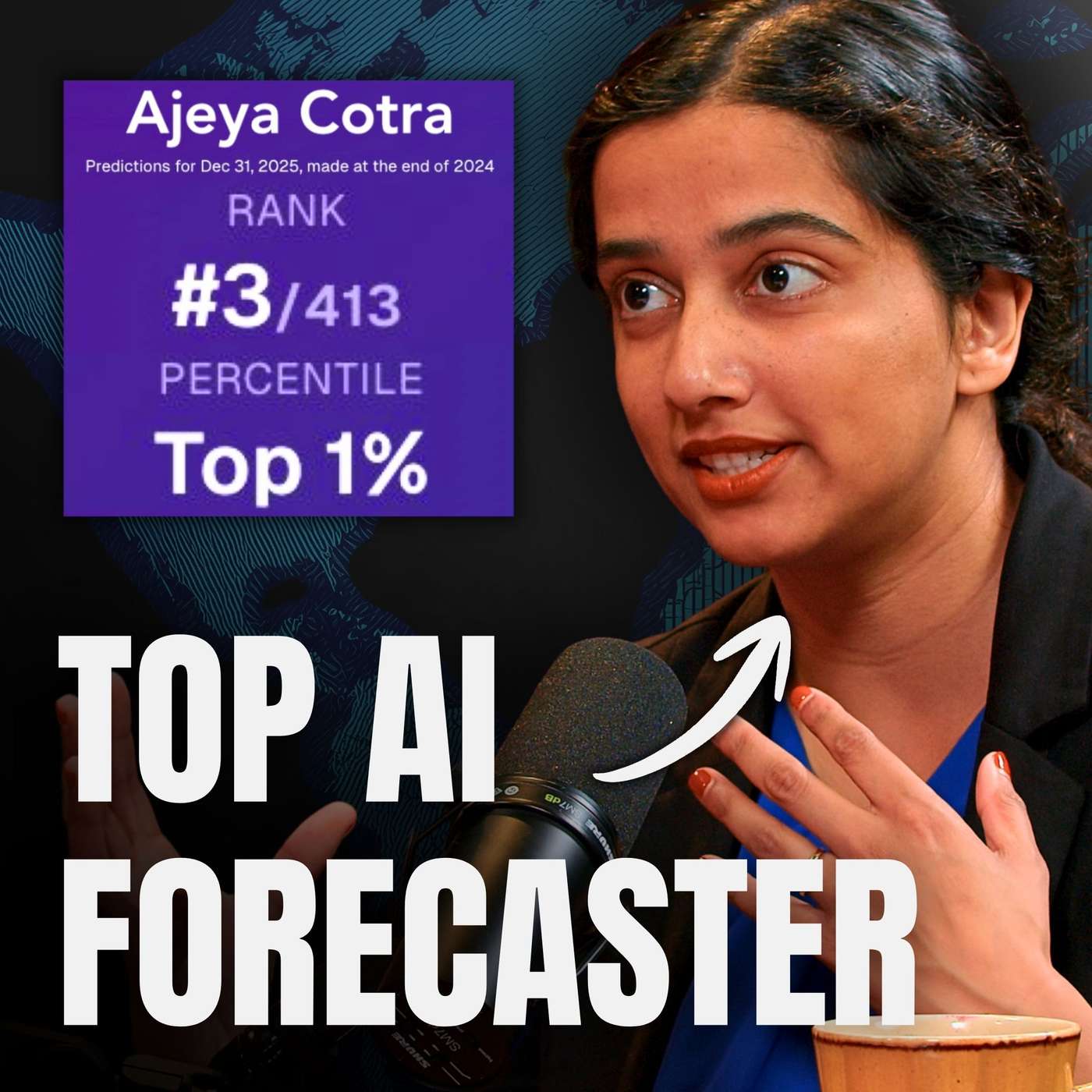
To avoid a surprise intelligence explosion, Ajeya Cotra argues for transparency measures beyond model release cards. Labs should report internal metrics on a fixed cadence, like how AI is accelerating their own R&D or passing internal benchmarks, as this provides a crucial early warning of dangerous capability jumps.

For companies adopting AI reactively, governance frameworks are more than risk mitigation. They enforce strategic discipline by requiring clear business objectives, performance metrics, and resource tracking, preventing wasteful spending on duplicative tools and unfocused initiatives.

Dario Amodei suggests a novel approach to AI governance: a competitive ecosystem where different AI companies publish the "constitutions" or core principles guiding their models. This allows for public comparison and feedback, creating a market-like pressure for companies to adopt the best elements and improve their alignment strategies.

Despite lagging in AI deployment, finance departments lead in governance. Decades of experience with SOX compliance, audit trails, and fiduciary duty created pre-existing frameworks for managing risky tools, which they now apply to AI. This governance-first approach could become a long-term competitive advantage.

Security leaders don't wait for government mandates; they adopt market-driven standards like SOC 2 to protect their business and customers. AI governance is following a similar path, with companies establishing robust practices out of necessity, not just for compliance.
A significant gap exists between companies stating an AI strategy (44%) and those with a formal governance framework (13%). This suggests firms prioritize value extraction over establishing ethical guardrails, risking a loss of investor and consumer trust.
The question of whether to trust a corporate AI tool is an extension of the trust employees already place in how their company handles their email and browsing data. The core issue is not the technology itself but the underlying corporate governance and transparency.

Reporting AI risks only to a small government body is insufficient because it fails to create 'common knowledge.' Public disclosure allows a wide range of experts, including skeptics, to analyze the data and potentially change their minds publicly. This broad, society-wide conversation is necessary to build the consensus needed for costly or drastic policy interventions.
Contrary to fueling hype, public offerings from companies like OpenAI would introduce real financial data into the market. This transparency could ground the "AI bubble" conversation in actual performance metrics, clarifying the significant information gap that currently exists for investors.
A significant disconnect exists between the optimistic public statements of software CEOs and their companies' legally mandated SEC filings. While executives like Figma's CEO dismiss immediate threats from AI agents, their 10-K reports increasingly list agentic AI as a material risk to their business models, revealing a cautious internal reality.