Get your free personalized podcast brief
We scan new podcasts and send you the top 5 insights daily.
Many families mistakenly believe they are exempt from estate tax due to the high federal exemption ($30M+ for a couple), ignoring much lower, non-portable state-level exemptions. States like Massachusetts ($2M) or Oregon ($1M) can create significant, unexpected tax liabilities for the unprepared.

Related Insights
The wealth tax initiative is drafted to be highly punitive by including large Roth IRAs and negating the benefits of complex trust structures typically used for tax avoidance. This makes it extremely difficult for wealthy individuals to escape its reach if passed.
The problem with a state-level asset tax is that wealthy individuals can simply move to another state. Proponents understand this, signaling that the ultimate goal is a federal asset tax. A national tax would be inescapable, as renouncing US citizenship comes with a prohibitive 45% exit tax on all assets.

The term "estate tax" or "death tax" has been successfully demonized, making it politically toxic. Economist Gary Stevenson suggests rebranding it as a "hoarding tax" to shift the focus from a penalty on death to a check on the excessive, socially-damaging accumulation of wealth well beyond what any family could ever need.
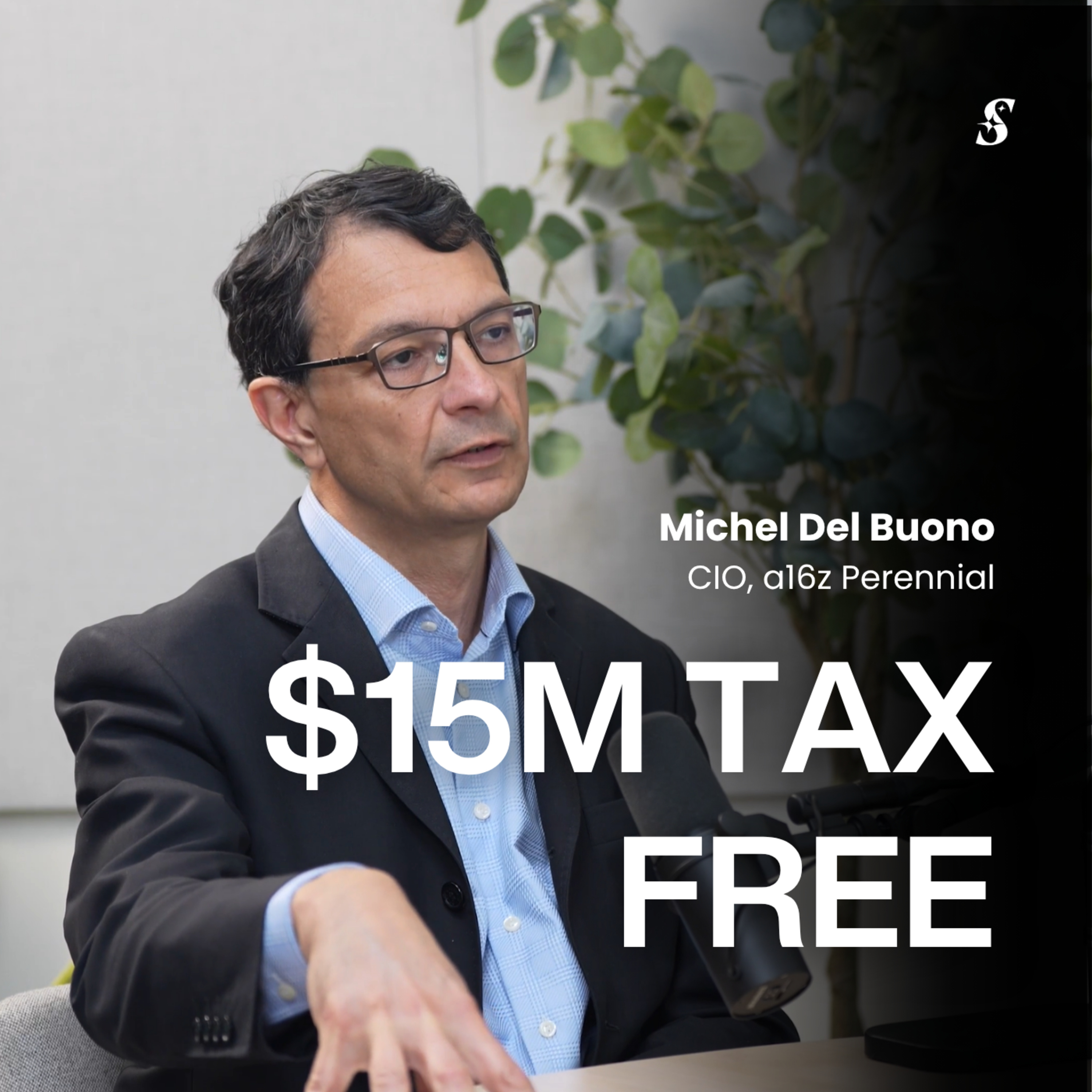
The primary roadblock in pre-liquidity planning isn't legal complexity but founders' indecision on personal values like inheritance. Failing to define "who gets what and when" paralyzes the process, causing them to miss crucial tax optimization windows before a liquidity event.
An estate plan is more than just a document for distributing assets; it is the bedrock of a family office's succession plan. It establishes the structure, decision-making hierarchy, and guiding principles that allow the family's wealth and legacy to continue operating effectively.
The primary reason to create a will or trust is to protect your family from conflict after you're gone. It's a profound act of love that ensures your loved ones can grieve your loss without the additional stress and arguments that come with settling an unplanned estate.

After learning how much of their estate would be lost to taxes, Heather Dubrow's surprising takeaway was to spend more money. For those in the highest tax brackets, enjoying their wealth becomes a logical alternative to having a significant portion of it seized by the government upon death.

In final conversations, wealthy individuals consistently prioritize legacy, values, and family relationships over financial matters like tax savings. This highlights the need to focus on the "softer side" of estate planning from the very beginning.
The stated value of an estate tax exemption (e.g., $30 million) is misleading. An asset valued at $1 million when placed in an estate can appreciate tax-free for decades, potentially growing to hundreds of millions by the time it's inherited, all passing to heirs without being taxed.
A common reason parents avoid discussing their estate is the desire not to burden their children. This is deeply ironic, as silence creates the ultimate burden: heirs are left to navigate a complex, emotionally fraught financial process while grieving, without any guidance.