Get your free personalized podcast brief
We scan new podcasts and send you the top 5 insights daily.
Nikita Miller notes that while AI tooling does not eliminate core crafts like design or engineering, it allows smaller teams to execute faster. Designers increasingly handle front-end coding, while engineers engage directly with UX. By reducing team headcount and encouraging specialists to flex across disciplines, organizations preserve deep craftsmanship while accelerating their overall product velocity.

Related Insights
The traditional handoff model is obsolete. AI-powered tools create a fluid environment where designers work in code for final polish and engineers iterate directly in design tools. This fosters a new, more integrated "builder" role, breaking down historical silos between disciplines.

AI tools are blurring the lines between roles like product management, UX design, and development. A single skilled individual can now leverage AI to handle tasks that previously required a three-person team, dramatically increasing individual productivity and changing organizational structures.
AI tools are reducing the need for hyper-specialized roles in tech. A designer can now ship front-end code, and a PM can submit a simple PR. This shift allows companies like Thumbtack to move from 10-14 person 'pods' to 3-6 person teams, increasing speed and shared context.

AI tools are dissolving the traditional boundaries between product, design, and engineering. This shift makes functional silos archaic. The future of organizational design is smaller, cross-functional groups that own a customer problem end-to-end, rather than being grouped by capability like "the engineering team."

Referencing the Dutch soccer strategy, Figma's design head describes a new dynamic where AI empowers individuals to cross into other domains. PMs can prototype and designers can ship code, creating a more resilient and faster team that eliminates single-person bottlenecks.

Instead of traditional IT departments, companies are forming small, cross-functional teams with a senior engineer, a subject matter expert, and a marketer. Empowered by AI, these agile groups can build new products in a week that previously took teams of 20 people six months, radically changing organizational structure.
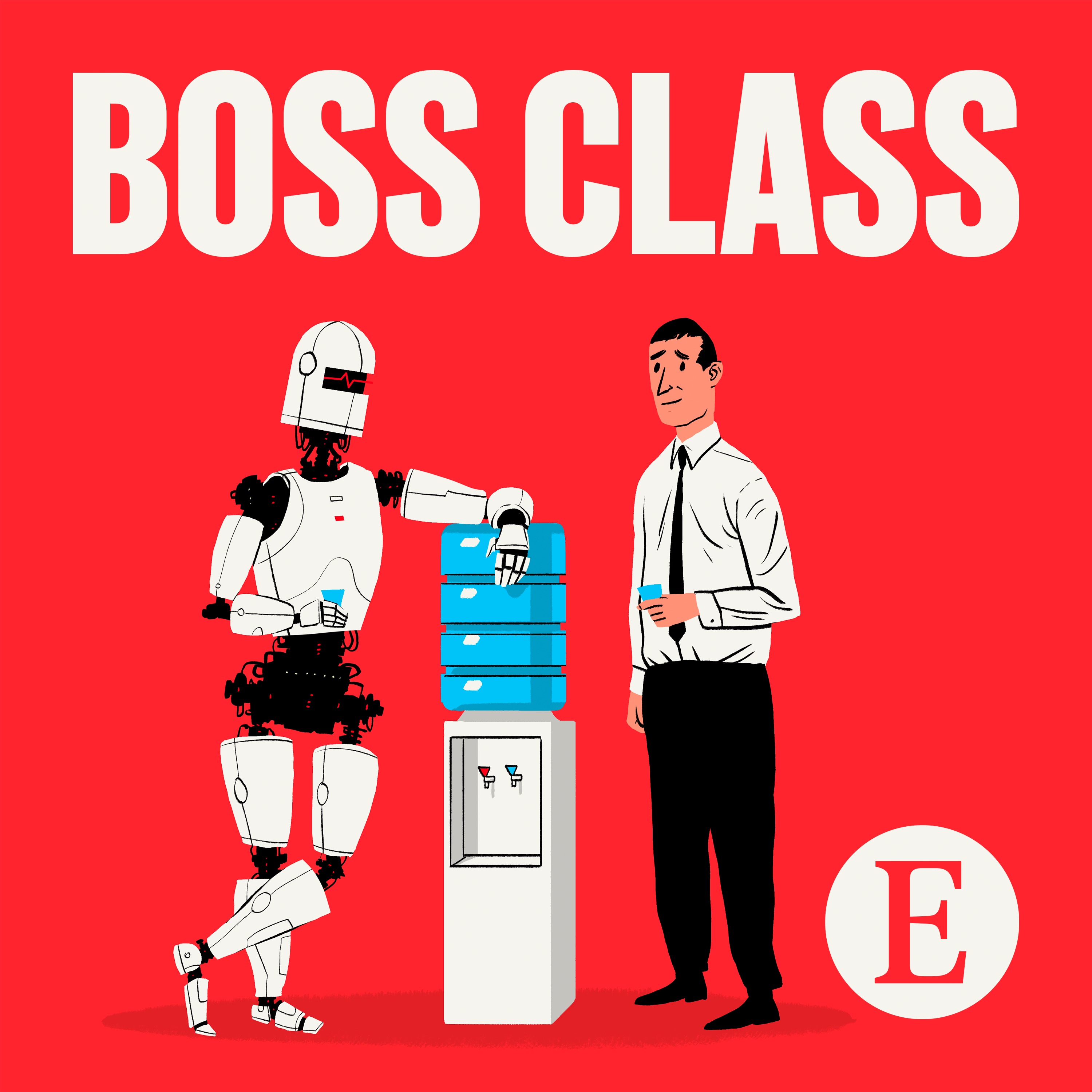
AI is blurring the lines on product teams. Product managers can now generate high-fidelity prototypes without designers and even commit simple code changes with AI assistance. This role compression accelerates the development cycle and changes team dynamics.

AI isn't eliminating core roles like design or engineering. Instead, it's blurring their lines by allowing specialists to perform adjacent tasks—like designers writing code. This fosters deeper understanding, accelerates collaboration, and sharpens specialized skills, making roles more "spiky."

AI is democratizing development and design, erasing the distinct boundaries between product, design, and engineering. This trend favors a return to a more generalist "problem solver" or "builder" archetype, where team members contribute across traditional functional lines to ship products faster.
AI tools empower individuals to perform tasks traditionally siloed in other functions (e.g., PMs designing). This blurs the lines between specialized roles, leading to a "collapse" where one person can take a product from idea to prototype, fundamentally changing team structures.
