Get your free personalized podcast brief
We scan new podcasts and send you the top 5 insights daily.
Meta's AI strategy leverages four core strengths: massive, secure infrastructure; unparalleled distribution to educate users on new features; a model that is "good enough" for consumer needs, not frontier-breaking; and a built-in advertising business model. This integrated approach is their key competitive advantage.

Related Insights
AI capabilities evolve so quickly that companies must constantly re-educate consumers on what their products can do. Meta's massive ad platform across its family of apps provides a powerful, built-in mechanism for this, a significant advantage over competitors who lack similar reach.
As AI models become commoditized, Meta's sustainable competitive edge comes from its massive user base and proprietary data. Its distribution network allows it to improve its core ad business with AI, making it less reliant on having the single best model to win.

Unlike enterprise tools that require slow adoption cycles, Meta can instantly deploy AI model improvements into its ad-serving system. This creates an immediate, measurable revenue lift, giving it a significant advantage in monetizing AI breakthroughs without a complex go-to-market strategy.

Mark Zuckerberg defends Meta's costly AI model development by arguing it's a core competitive advantage. Owning the entire stack from chips to software, as they did with Facebook's infrastructure, enables optimized, personalized experiences that relying on third-party models would make impossible.
Mark Zuckerberg argues Meta must build its own AI infrastructure, from chips to models, rather than licensing from others. This costly vertical integration is defended as crucial for creating unique, optimized experiences and avoiding dependency on potential competitors or unreliable open-source models.
While the market awaits new AI-native products from Meta, its real AI success is in its core business. A 9% CPM increase in a weak economy indicates its ad-serving algorithm's effectiveness improved by double digits in a single quarter, a massive financial win.
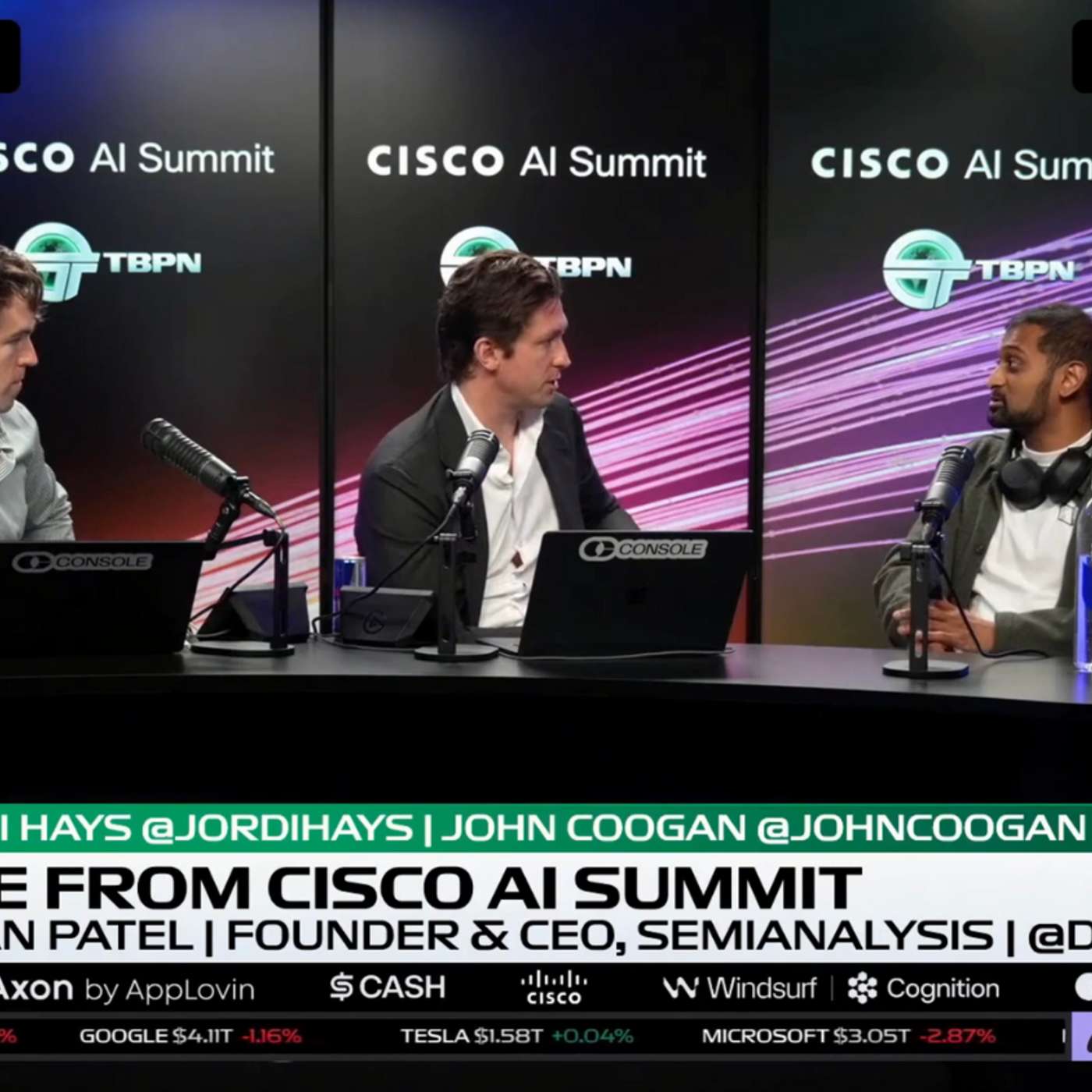
The stark contrast between niche paid apps and the trillion-dollar companies dominating the top free app charts highlights a critical insight for the AI race. An existing user base of billions, which companies like Google and Meta possess, is a more powerful competitive advantage than having a marginally better model.

For a platform like Meta, the most valuable application of GenAI is not competing on general-purpose chatbots. Instead, its success depends on creating superior, deeply integrated image and video models that empower creators within its existing ecosystem to generate more and better content natively.

Unlike enterprise software companies facing slow adoption cycles, Meta can immediately deploy AI advancements into its advertising platform. A better ad-placing model can be A/B tested and rolled out globally instantly, turning AI breakthroughs into revenue without the typical friction of "diffusion" into an organization.

While startups like OpenAI can lead with a superior model, incumbents like Google and Meta possess the ultimate moat: distribution to billions of users across multiple top-ranked apps. They can rapidly deploy "good enough" models through established channels to reclaim market share from first-movers.
