Get your free personalized podcast brief
We scan new podcasts and send you the top 5 insights daily.
LinkedIn co-founder Reid Hoffman publicly stated his few interactions with Epstein were solely for MIT fundraising. However, citizen journalist Kevin Bass's analysis of new files reveals this is false, showing instead an extensive personal and business relationship with hundreds of contacts.

Related Insights
Saagar Enjeti argues that Jeffrey Epstein's primary influence came from his expertise in black market money laundering and tax evasion. This financial usefulness to global elites and intelligence agencies was the foundation of his power, which then enabled his predatory behavior.
Public discourse on the Epstein files often conflates involvement levels. It is critical to differentiate between those who committed crimes, those showing poor judgment by associating with a known predator, and those merely present without ill intent. Each tier demands a distinct societal response, from prosecution to public scrutiny to nuance.

It is plausible that many of Epstein's powerful associates didn't witness his crimes firsthand but instead engaged in willful ignorance. For convenience and access, they may have dismissed credible rumors and maintained the relationship, allowing them to benefit from the connection without confronting the grim reality of his actions.

A key form of guilt for many in Epstein's circle is not direct participation but their continued association despite knowing or strongly suspecting his activities. This "knowledge factor," even without witnessing a crime, creates a network of complicity that is now the basis for reputational and potentially legal consequences.
The files reveal a small, tightly-knit group of globally influential people interconnected in unexpected ways. This network demonstrates the sociological theory that a small ruling class, or oligarchy, inevitably forms within any society.

The documents suggest that for the elite circles surrounding Epstein, blackmail was not a rare, sinister act but a commonplace, almost casual, mechanism for gaining leverage and maintaining influence over powerful individuals.
Beyond the specific names and details, the crucial takeaway from the Epstein scandal for the tech and venture capital industry is proactive. The lesson is to identify the powerful, connected, and potentially toxic figures in today's ecosystem who mirror Epstein's archetype and actively work to avoid their influence and networks.

Data analysis of Jeffrey Epstein's emails reveals his network was not confined to his financial background. It was exceptionally broad, including elites from science, technology, and law. A quarter of his non-staff contacts had their own Wikipedia pages, indicating a strategic cultivation of influence across various power centers.
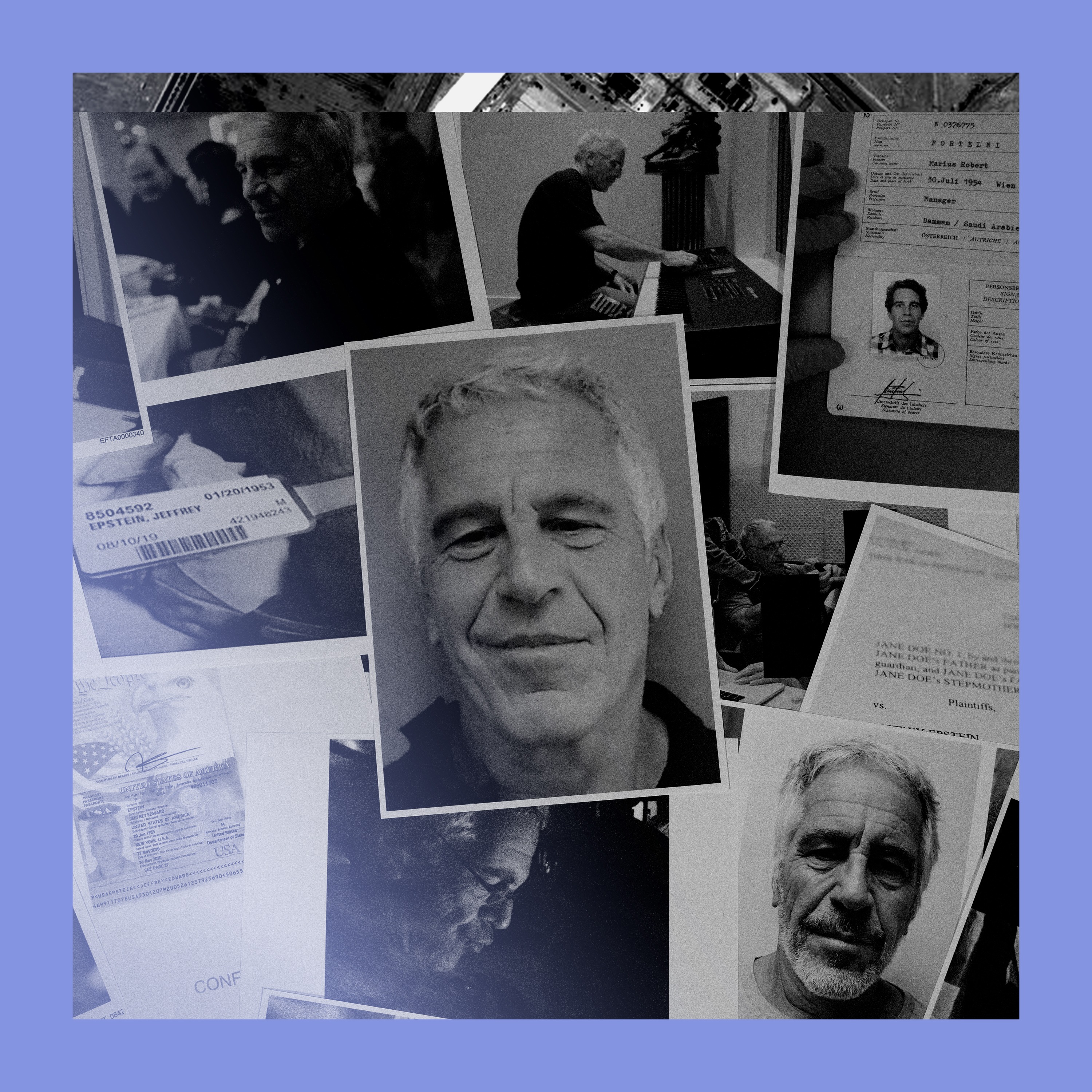
Beyond political blackmail, Epstein's deep connections with top scientists and peculiar financial transactions (e.g., a $168M fee for "tax advice") suggest a primary motive may have been gathering scientific and technological intelligence for a state actor, rather than personal enrichment.

A host discovers his name in the Epstein files live on air, sparking a discussion on how money and influence can wash away morals, even in academia. The hosts argue there was no excuse for association, as Epstein's crimes were public knowledge.
