Get your free personalized podcast brief
We scan new podcasts and send you the top 5 insights daily.
Manu says Duolingo has crossed the line a few times. When comments show something feels off, the team takes it down, apologizes and stays transparent. He treats those moments as learning, because crossing the line is how you find where it sits. That is the point.

Related Insights
Making public mistakes feels like a reason to disappear, but it's an opportunity to model resilience. The goal isn't to avoid messing up, but to learn how to handle being wrong, listen without defensiveness, and let your actions rebuild trust.

Instead of hiding early product flaws, founders can build a stronger community by openly sharing their mistakes and the correction process. This transparency makes the brand more relatable and human, fostering trust and loyalty more effectively than projecting an image of perfection.
Duolingo's team achieves its speed by operating under the belief that 'fear is incredibly expensive.' This mindset empowers them to be their own approvers, accepting the small risk of having to delete a post in exchange for the immense creative and engagement upside that comes from moving at the speed of culture.
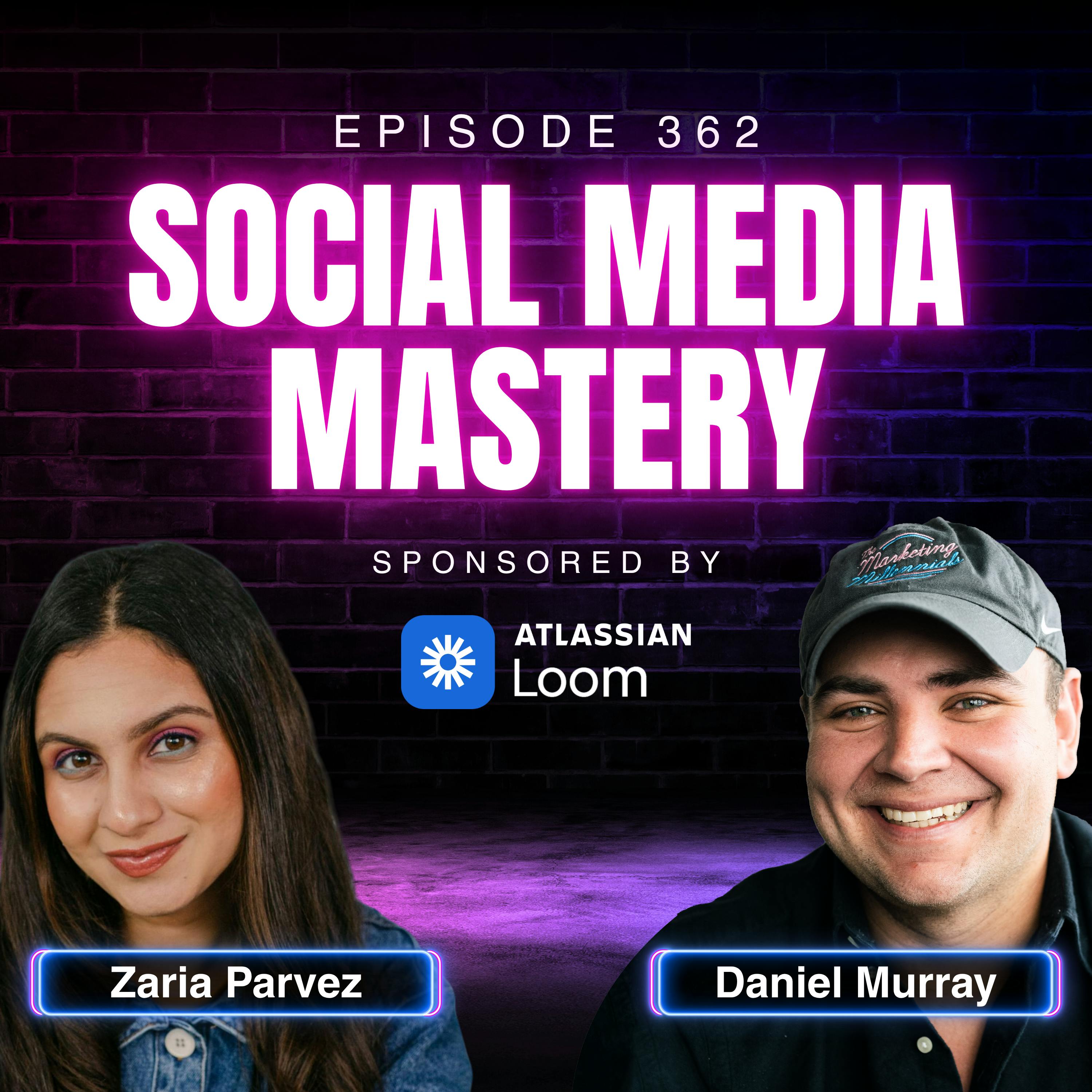
When Duolingo's Zaria Parvez made a controversial post, her CMO framed the misstep as a necessary learning experience. This cultural attitude towards risk-taking encourages the creative experimentation required for breakthrough social media, turning a potential firing into a valuable lesson on brand boundaries.
To move at the speed of culture, Duolingo creates clear approval swim lanes. The legal team focuses strictly on quantifiable legal risks like audio usage and IP, not on creative or brand safety. Brand risk is managed by the social team against pre-aligned guidelines, preventing legal from becoming a creative bottleneck.

Duolingo CEO's internal memo prioritizing AI over hiring sparked a public backlash. The company then paused its popular social media to cool down, which directly led to a slowdown in daily active user growth. This shows how internal corporate communications, when leaked, can directly damage external consumer-facing metrics.
To avoid creative bottlenecks, Duolingo's legal team is firewalled from giving brand safety feedback. They focus solely on legal matters like IP and contracts. Brand risk is managed by the marketing team against a separate set of guidelines, creating clear swim lanes and faster execution.
Manu says Duolingo trained audiences to expect escalating antics, but each stunt is harder to top and competitors now copy the crazy mascot. He wants more work like the Fashion Week campaign: still surprising, but tied to language learning rather than relying on Duo doing something wild.
Before publishing, stress-test content by trying to find all potential negative interpretations. This 'troll-proofing' involves brainstorming how a post could be misconstrued, mocked, or weaponized. It's a crucial step to ensure content ages well and to avoid brand crises.
Manu says he often discovers Duolingo's social content as it is posted. For the iPhone Duo moment, the team moved fast; spicy posts stopped at the head of brand, and escalation to the CMO or CEO is rare. That trust removes approval bottlenecks.