Get your free personalized podcast brief
We scan new podcasts and send you the top 5 insights daily.
Daymond John believes the hearing aid category is poised for a breakthrough. A single, culturally relevant creator (like Mr. Beast) showcasing the device's productivity features could rapidly shift public perception and drive mass adoption among a new, younger generation.
Related Insights
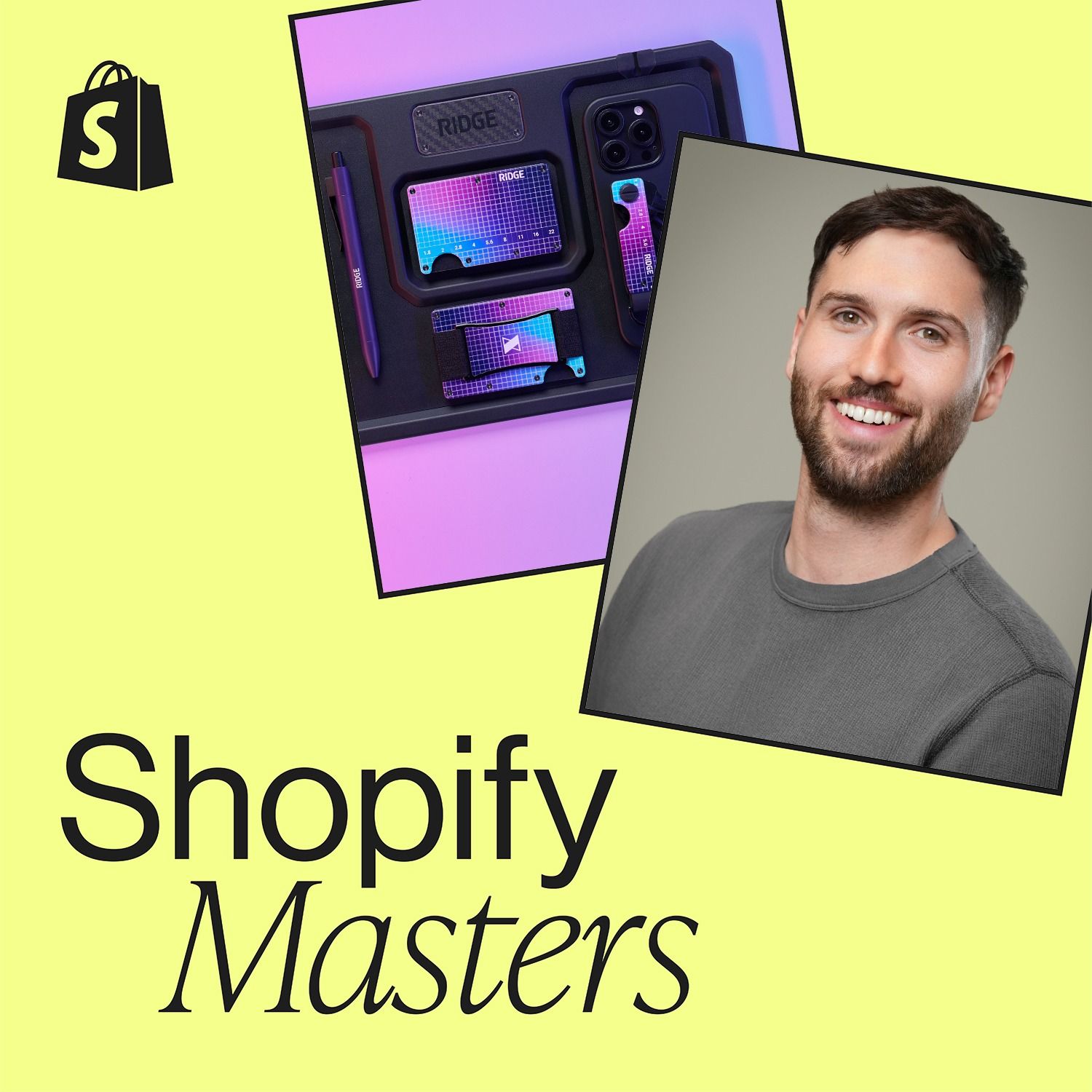
To expand beyond wallets into tech accessories, Ridge gave famous YouTuber Marques Brownlee a board seat. This wasn't just a marketing campaign; his official role acts as a powerful "stamp of approval," giving the brand instant credibility and consumer trust in new product lines.
Product discovery has moved beyond simple virality and search optimization. Today, trusted creators who build authentic relationships with their audience are the most effective channel for driving adoption, as their recommendations carry genuine weight.

To combat the stigma around hearing aids, Daymond John wears custom bright red ones, transforming a typically concealed device into a visible, stylish accessory. It is a proactive strategy to invite questions and normalize the technology by making it a proud statement piece.
The OTC hearing aid market has underperformed expectations for two key reasons. First, prices around $1,000 are still too high for consumers who expect a price point closer to consumer electronics ($200-$400). Second, the social stigma of wearing a hearing aid remains a major barrier, indicating a need for better industrial design.

Peter Thomas Roth's number one eye product was nearly discontinued before a single viral TikTok video caused it to sell out nationwide. This shows how unpredictable consumer-generated content can be a powerful, brand-altering force, completely changing a product's trajectory and shifting a company's entire view of influencer marketing.

A study found that ambient noise significantly slows cognitive development. This insight can be used to rebrand a commodity like earplugs. By positioning them as "Study Ears"—a tool for better memory and focus, not just noise blocking—you can create an entirely new product category with strong marketing hooks.

To find a market opening, identify a category's unspoken ethos and do the opposite. Iovine notes that headphones were marketed like sterile 'medical equipment' for silence. Beats injected culture and energy, positioning their product as the antithesis of the established category.

By integrating features like fall detection, translation, and music streaming, Starkey transforms its hearing aids into multi-functional 'healthable' devices. This 'ear is the new wrist' strategy appeals to younger, tech-forward consumers accustomed to wearables, expanding the market.
Starkey markets hearing aids, a product people need but often don't want due to stigma, by shifting the narrative. Instead of focusing on loss, they frame the device as a 'superpower' or a tool for empowerment, which changes the customer's emotional connection to the product.
The inspiration for Limitless came from the founder's experience with hearing loss. Just as hearing aids reveal sounds you didn't know you were missing, a memory device reveals what you've forgotten. This reframes memory loss not as a natural state, but as a solvable biological limitation.