Get your free personalized podcast brief
We scan new podcasts and send you the top 5 insights daily.
Marino Garcia says existing complement therapies are infusions or frequent injections that shut down the whole complement system and carry box warnings. Dianthus aims for an infrequent self-administered therapy so treatment can fit patients' lives instead of forcing patients to adjust their lives. That is the goal for next-step complement drugs.

Related Insights
The next wave of IgA nephropathy therapies is moving beyond efficacy to prioritize patient convenience. Companies are developing treatments with longer dosing intervals, aiming for regimens like six months of treatment followed by up to 18 months off therapy, significantly improving life for chronically ill, often young, patients.

While the gut instinct is that patients prefer daily pills over injections, this preference flips when the injection is highly infrequent. For chronic conditions, a quarterly shot (four per year) is often viewed as more convenient and favorable by patients than the burden of a daily oral medication, challenging conventional wisdom on administration routes.

A common assumption that older patients may prefer simpler, continuous medication regimens is often incorrect. Clinical experience shows that the vast majority of patients, regardless of age, are interested in a time-limited therapy option, provided it can be delivered conveniently without infusions.

Beyond clinical efficacy, patient experience is a key differentiator. Patients strongly prefer single-administration ("one and done") gene therapies over treatments requiring regular injections. This is due to the cumulative stress, cost, and logistical burden of lifelong, recurring treatments, which directly informs therapeutic modality choice.

A key trend in 2025's drug approvals is that "best-in-class" therapies are distinguished not just by efficacy, but by innovations in formulation and delivery that improve the patient experience. Examples include subcutaneous versions of IV drugs and new delivery methods that expand patient access.

The shift from IV infusions to a self-administered subcutaneous injector for Lequimbi is not just about convenience. It lowers the burden on healthcare systems and is crucial for enabling preventative treatment in a larger, pre-symptomatic population who would not frequent infusion centers.

A major challenge in managing high cholesterol is patient adherence to daily medication for life. New therapies like Inclisiran use mRNA silencing and require only two injections per year, dramatically improving adherence for busy or non-compliant individuals.

The development of on-body delivery systems for complex biologics is more than an incremental improvement. It represents a crucial technological step toward moving cancer care from the clinic into a patient's home, a long-sought goal that could dramatically increase patient convenience and access to care.
The shift from continuous 28-day IV infusions to subcutaneous injections represents a monumental improvement in patient quality of life. It frees patients from being tethered to a pump and managing a PICC line, which complicates daily activities like showering and introduces risks like pump failure, significantly reducing the treatment burden.
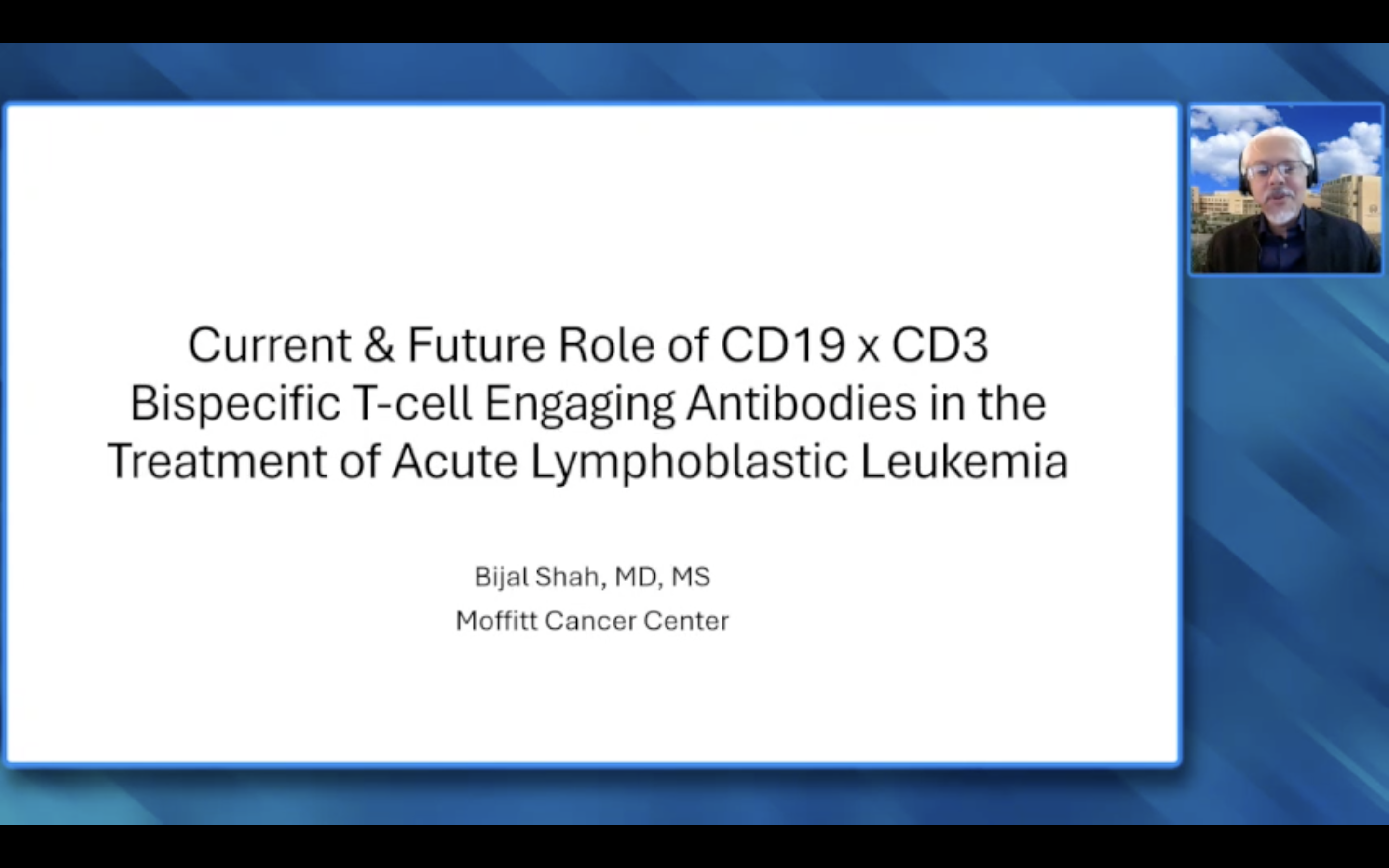
For RNAi and antisense therapies targeting chronic conditions like cardiovascular disease, the critical competitive advantage is durability, not just efficacy. The ability to offer infrequent dosing, such as twice-yearly injections, represents a significant step-change from daily medications and is the key factor expected to drive market adoption.
