Get your free personalized podcast brief
We scan new podcasts and send you the top 5 insights daily.
A sophisticated portfolio can blend large positions in liquid, downside-protected assets (like MGM or Talon) with smaller, "lottery ticket" investments in illiquid but high-upside opportunities (like Actis or GeoNet). Sizing is determined by the asset's risk profile and market depth.

Related Insights
Many investors wrongly equate high conviction with making a large initial investment. A more evolved approach is to start with smaller at-cost positions, allowing a company's performance to earn its eventual large weighting in the portfolio. This mitigates risk and improves decision-making.

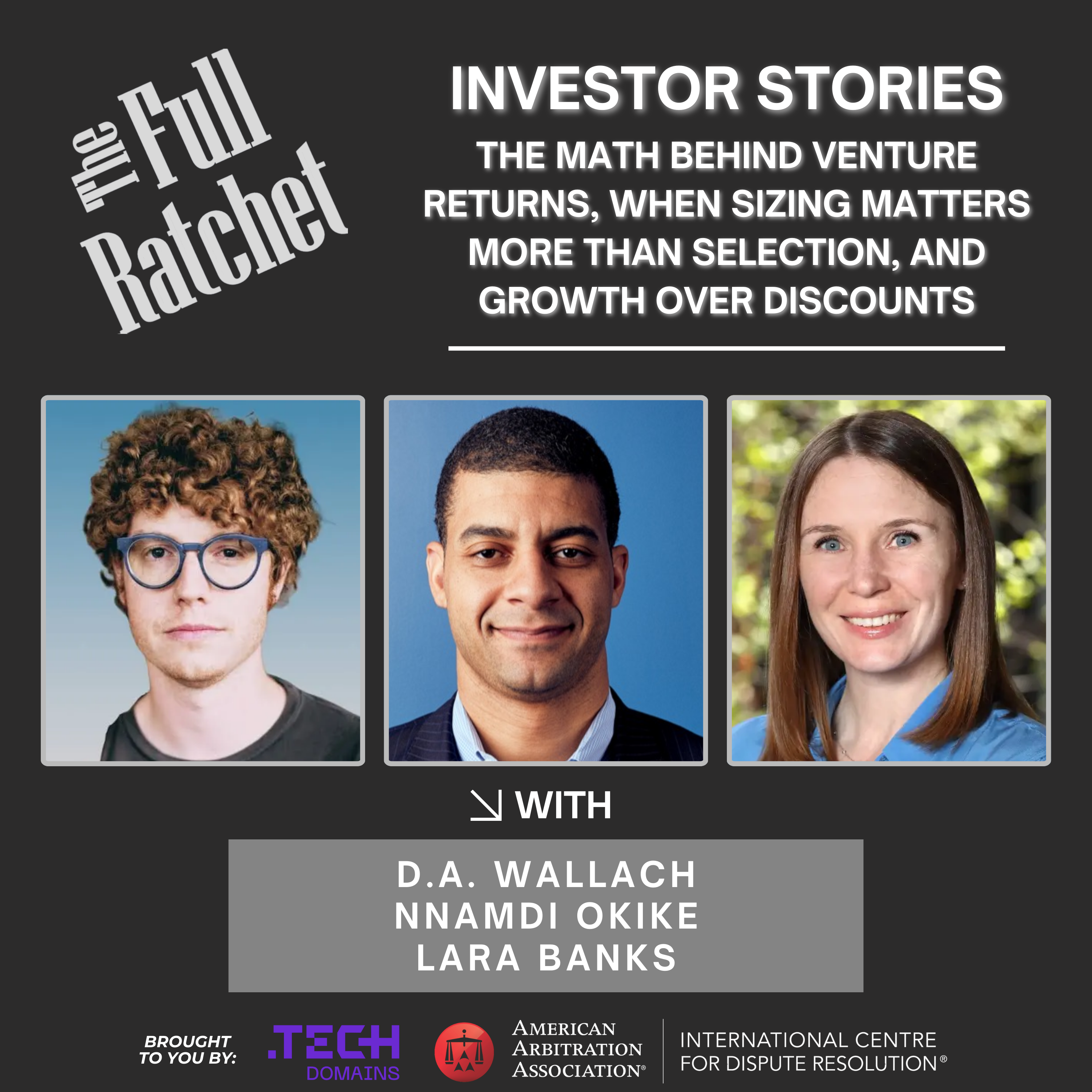
Even with big wins, a venture portfolio can fail if not constructed properly. The relative size of your investments is often more critical than picking individual winners, as correctly sized successful investments must be large enough to overcome the inevitable losers in the portfolio.
The firm found that positions growing beyond 8% of the portfolio did not add enough value to justify the increased concentration risk. This disciplined approach prevents overconfidence in single ideas from jeopardizing overall fund performance.
Beyond yield premiums, illiquidity imposes a major opportunity cost: the inability to rebalance. When one asset class soars, liquid investors can sell and reallocate to cheaper assets. Heavily illiquid investors are stuck, forfeiting valuable strategic portfolio shifts.

Instead of using an arbitrary percentage, Gorham Thomason of AKO Capital determines maximum position size based on a stock's liquidity. This ensures the fund can exit a large position without crashing the share price if the investment thesis sours, providing a practical risk management framework.
To manage risk, GQG determines maximum position size by thinking like a credit analyst. A company with diversified business lines like Exxon can get a "AAA rating" and be a large holding. A more narrowly focused business, despite being attractive, gets a lower rating and a smaller size, preventing concentrated blow-ups.

Allocate more capital to businesses with a highly predictable future (a narrow "cone of uncertainty"), like Costco. Less predictable, high-upside bets should be smaller positions, as their future has a wider range of possible outcomes. Conviction and certainty should drive allocation size.
The speaker divides his portfolio into two distinct categories: stable, long-term "Quality Businesses" and high-growth "Micro-cap Inflection Point" businesses. Each bucket has its own specific criteria, allowing for a balanced approach between reliable compounding and high-upside opportunities.

To invest in high-risk, transformative fields like quantum computing, structure portfolios with three tiers: established leaders (e.g., IBM) forming the core, "enabler" companies providing key components (e.g., Honeywell), and a smaller allocation to purely speculative startups (e.g., IonQ) to capture upside while managing volatility.

The strategy of concentrating an entire fund into a single asset creates intense psychological pressure. This forces a rigorous focus on capital preservation and downside scenarios, shaping both business selection and capital structure decisions, rather than just focusing on the upside case.
![Alex Behring and Daniel Schwartz - Inside 3G Capital - [Invest Like the Best, EP.458] thumbnail](https://megaphone.imgix.net/podcasts/e08d17d8-0630-11f1-900f-af0896d80a14/image/dcbaadaaf3c949d9b9de61e9cbe5c91f.jpg?ixlib=rails-4.3.1&max-w=3000&max-h=3000&fit=crop&auto=format,compress)