Get your free personalized podcast brief
We scan new podcasts and send you the top 5 insights daily.
Unlike heirs to fortunes, entrepreneurs from humble beginnings are seen as having earned their success entirely on their own merits. This removes the shadow of doubt and the 'your father was famous' narrative, giving them a unique form of credibility.

Related Insights
Unlike in previous generations, coming from wealth or connections can be a liability today. The internet values and rewards authenticity, work ethic, and reputation—qualities often forged through struggle. Coming from 'too little' is now a more advantageous starting position for building genuine clout.

The nature-vs-nurture debate for entrepreneurship is reframed: perhaps the "natural born" trait is latent in many, but only activated by the right environment. Someone might have innate entrepreneurial skills that are suppressed by a risk-averse upbringing, only to emerge later when circumstances demand it.
The most successful founders are often 'nepo babies,' not of wealth, but of industry. Individuals who grew up in a specific vertical—like T.J. Parker in his dad's pharmacy (PillPack)—possess an unparalleled edge. This deep, almost innate understanding of a market's problems is a powerful predictor of success that investors should actively seek.

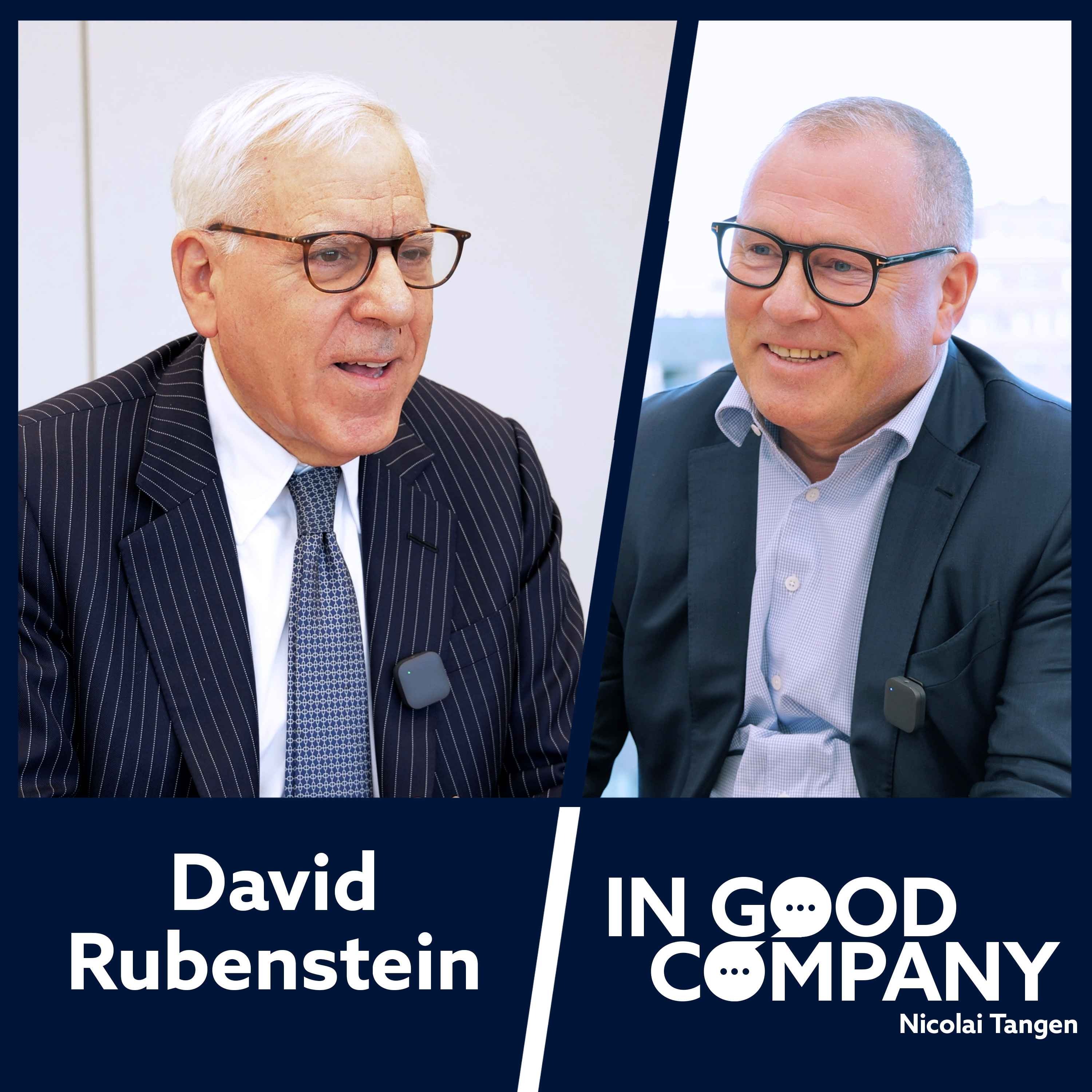
Wealthy upbringings can be a disadvantage for aspiring investors by dulling the intense drive required to endure the profession's challenges. David Rubenstein argues that those from modest backgrounds often possess a 'hunger' and resilience that is critical for success, as they have more to prove and can better handle frequent setbacks.
Experiencing struggles as a child—like being an immigrant, a poor student, or not athletic—desensitizes you to judgment and failure. This builds a resilience that becomes a significant competitive advantage in entrepreneurship, where fear often paralyzes others.
Coming from a background without high expectations can be a liberating advantage. It removes the psychological pressure that can stifle risk-taking and creativity in those from more privileged environments, allowing for a more organic development of ambition.

Many entrepreneurs sabotage 'ease' in their careers because of a core belief that money must be earned through immense struggle. They feel uncomfortable when success comes without sacrifice and will often justify their achievements by highlighting their hardships to prove they "deserve" it.

A founder's non-traditional background should be framed as a unique advantage, not a weakness. A real estate agent creating a home fragrance product has a more compelling and authentic story rooted in real-world experience than a biologist, which can be a powerful marketing and branding tool.

Beyond good governance, a country needs successful entrepreneurial role models to foster risk-taking. When a generation sees people from humble backgrounds build great businesses without cutting corners, it shifts the cultural mindset away from safe career paths and toward innovation.

The guest attributes his drive not to poverty, but to the psychological pressure of being 'less than' his peers in an affluent environment. This constant comparison and his mother's financial stress created a powerful chip on his shoulder that fueled his entrepreneurial journey.
