Get your free personalized podcast brief
We scan new podcasts and send you the top 5 insights daily.
Avoid dogmatically pursuing pure functional programming, which can be inconvenient. The creator of Scala recommends using functional principles for 95% of a program and pragmatically using well-documented imperative features or side effects for the remaining 5% where they make sense.

Related Insights
While Rust is excellent for systems-level programming, Martin Odersky believes its use is pushed too high up the software stack. For many applications, a garbage collector is fine and simplifies development significantly. Choosing manual memory management in these cases is an unnecessary intellectual exercise.
Haskell's lazy evaluation means the order of operations is not guaranteed, making side effects like `print` statements unpredictable. This forced the language to be pure by default. Conversely, OCaml's strict, predictable evaluation order made it easy to incorporate I/O and side effects, allowing it to be impure by default.

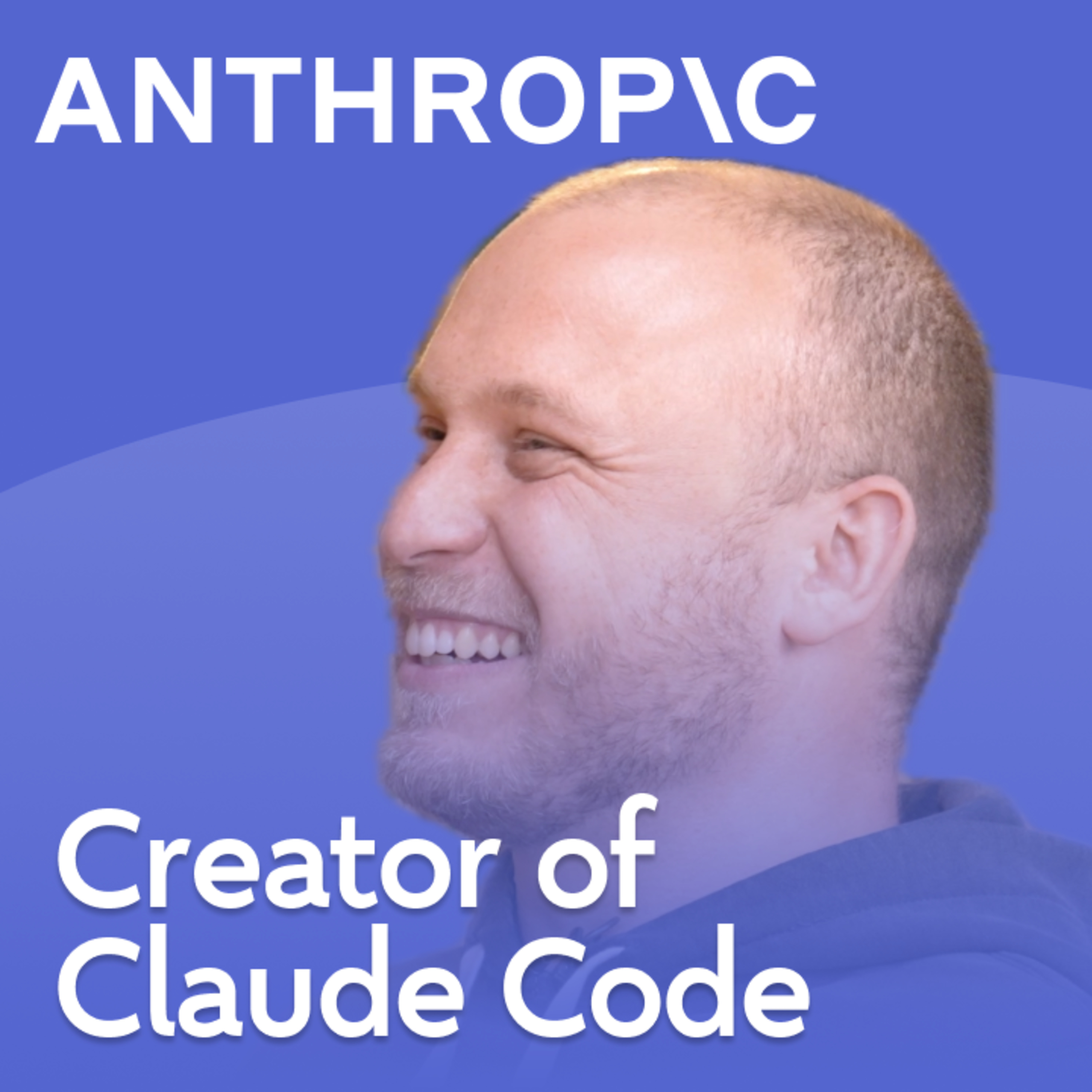
According to Claude Code creator Boris Cherny, the single most impactful technical book for an engineer is 'Functional Programming in Scala.' While the language itself isn't widely used, the book's principles teach a new way of thinking that fundamentally improves how you approach and write code.
Martin Odersky reflects that a key challenge for Scala was introducing a full suite of powerful functional programming features from the start. This led to cultural clashes between different programming paradigms and encouraged developers to use overly complex abstractions, creating a steeper learning curve and community division.
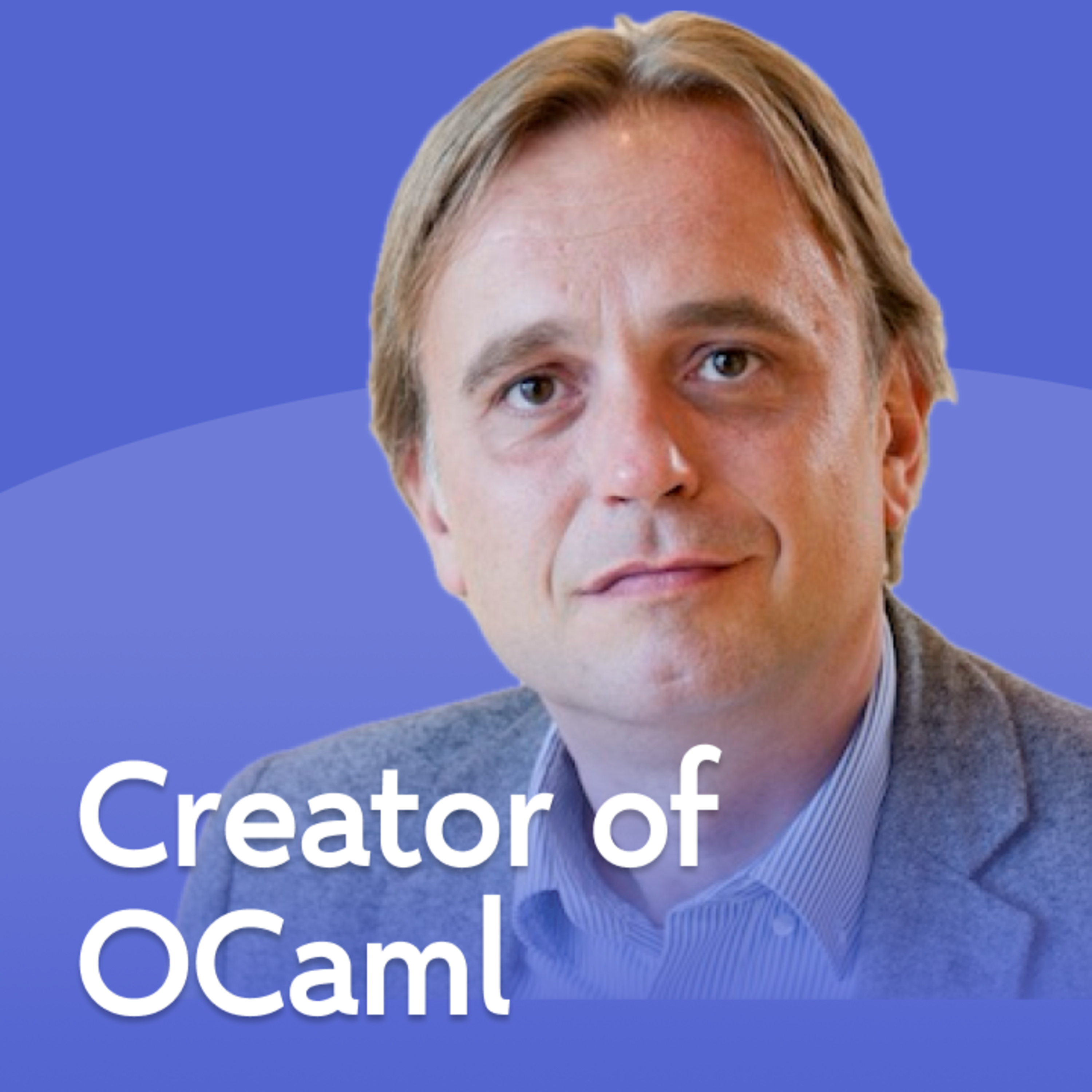
OCaml's success lies in its dual nature. It offers the elegance of a fine functional language while also providing the imperative power and predictable execution cost model of a systems language. This rare combination is highly valuable for applications like high-frequency trading and network programming.
Scala was designed to uniquely synthesize functional and object-oriented programming. This fusion allows developers to use functional programming for logic and leverage OO's strengths for structuring components, modules, and encapsulation—areas where pure functional languages are often weaker.
This approach contrasts with imperative languages where computation proceeds by mutating a state over time (e.g., a running total). Functional programming is more declarative, like a mathematical expression or a spreadsheet cell that calculates its value based on others, making it easier to reason about.
The distinctions between many programming languages are shrinking as they adopt a standard set of features originating from functional programming. Concepts like pattern matching, strong type systems, generics, and closures are now becoming mainstream across the industry, even in languages like Python.
In imperative code, functions can silently read or write shared global variables, creating invisible and dangerous dependencies. Functional programming forces these interactions to be explicit (e.g., through function arguments or monads), encouraging a more modular and less coupled design that is easier to reason about and maintain over time.
The power of monads isn't just to sequence side effects, but to treat those entire sequences as first-class values that can be passed, stored, and reused. Unlike in C, Haskell's `do` notation bundles I/O operations into a value (e.g., of type `IO unit`) that can be composed and manipulated like any other data.