Get your free personalized podcast brief
We scan new podcasts and send you the top 5 insights daily.
Authors often chase only the biggest podcasts, dismissing smaller audiences. This is a mistake in perspective. The effort to get 100 engaged people into a room for a physical book event is immense. Every podcast audience, no matter the size, represents a significant opportunity and should be respected.
Related Insights
Focus on deep engagement metrics like total listening time over easily manipulated vanity metrics like downloads. A smaller, highly engaged audience that spends hours with your content is more valuable than a large, fleeting one that listens for only seconds.
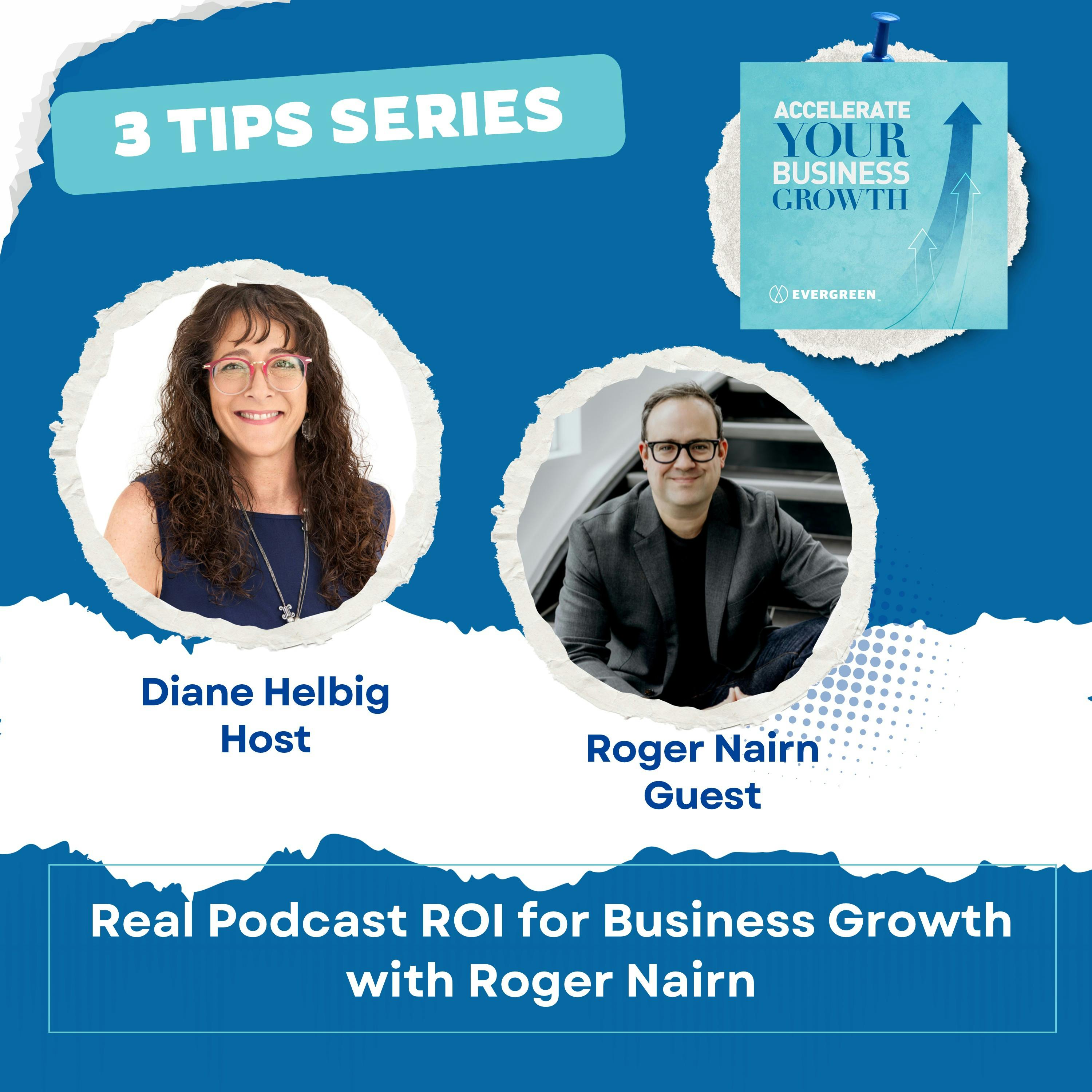
In a saturated market, a new podcast's success hinges less on a unique idea and more on execution. Nail your target audience and the transformation you promise them, maintain a consistent release schedule, and ensure good audio quality. Clarity of who you serve is more important than being the first to cover a topic.

When using guest appearances to grow your podcast, prioritize smaller, niche shows. Their listeners often have deeper trust and engagement with the host, making them more likely to follow a recommendation and subscribe to your show than the broader, less-committed audience of a top-chart podcast.
While 4 million podcasts exist, only 357,000 have published in the last 30 days. This 91% abandonment rate means new, consistent creators face far less competition than statistics suggest, effectively walking into wide-open territory.

The 'Best One Yet' podcast rebrands its tour as an "IPO" (In-Person Offer), leveraging financial jargon familiar to its business audience. This transforms a ticket purchase into an act of "shareholding" in the brand, creating a sense of exclusive ownership and urgency for dedicated listeners.

Though often perceived as a low-status medium, podcasting provides unparalleled access to the world's most influential people. They participate because they benefit from your work, creating genuine relationships and opportunities that are inaccessible even to founders with significant venture capital backing.

Podcast listeners have higher average household incomes and greater purchasing intent. A small, dedicated audience built through the intimacy of audio is more valuable for monetization via courses and consulting than a massive but disengaged social media following.
The hosts reveal a growth path for live events, starting with a simple show, then adding on-stage audience participation, and finally launching a multi-city tour. This iterative approach allows creators to test formats, build audience enthusiasm, and de-risk the major financial commitment of a large tour.
The founders measure their podcast's success not by download counts but by the number of customers who visit the physical store and mention it. For a brand built on in-person experience, this qualitative, direct feedback is a more meaningful indicator of true engagement and impact than abstract digital analytics.
A book's success is measured by the ripples it creates—the podcasts, reviews, and debates it generates. More people engage with the ideas *about* the book than read it. Authors create a "boulder to drop in a lake" to generate waves, not just to sell a physical object.