Get your free personalized podcast brief
We scan new podcasts and send you the top 5 insights daily.
TAMP uses a unique double-balloon catheter to isolate an arterial segment. This pressure-mediated delivery forces chemotherapy across the vessel wall directly into the tumor, overcoming the washout effect that caused previous intra-arterial therapies to fail.

Related Insights
The bispecific antibody Ivanesimab binds to the VEGF dimer, creating a "daisy chain" of antibody-VEGF complexes. This multimerization concentrates the drug in the tumor microenvironment, where VEGF is high, and enhances its ability to bind and block PD-1 more effectively than single-molecule approaches.
TAMP is delivered once every two weeks, but crucially, patients generally do not receive other treatments concurrently. This regimen provides significant breaks from therapy, helping to preserve pre-procedural quality of life—a major advantage over the continuous burden of systemic chemotherapy.
By delivering a high, sustained local drug concentration, Nenology's platform shifts cancer cell death from a passive process (apoptosis) to immunogenic cell death. This releases antigens that actively prime the immune system, creating a secondary anti-tumor effect and potentially boosting the efficacy of other immunotherapies.

Cancer should be viewed not just as rogue cells, but as a complex system with its own supply chains and communication infrastructure. This perspective shift justifies novel therapies like Zelenorstat, which aim to dismantle this entire operating system by cutting its power source.

Unlike systemic treatments, which rarely cause pancreatic tumors to shrink on scans, TAMP is demonstrating meaningful radiographic responses. This includes resolving major vessel narrowing, suggesting a more potent local effect and hinting at its potential for converting patients to resectability.
Accession's second product is a bispecific antibody that binds to all cancer cells. While this would be dangerously toxic if delivered systemically, their targeted virus delivery system ensures it is only produced inside the tumor. This strategy makes previously "undruggable" therapeutic concepts viable.

Historically, intratumoral therapy was limited by the physical difficulty of reaching tumors. The rise of a new discipline, Interventional Oncology, has largely solved this access problem. The critical bottleneck is now the lack of drugs specifically designed and optimized for local delivery and sustained retention within the tumor.
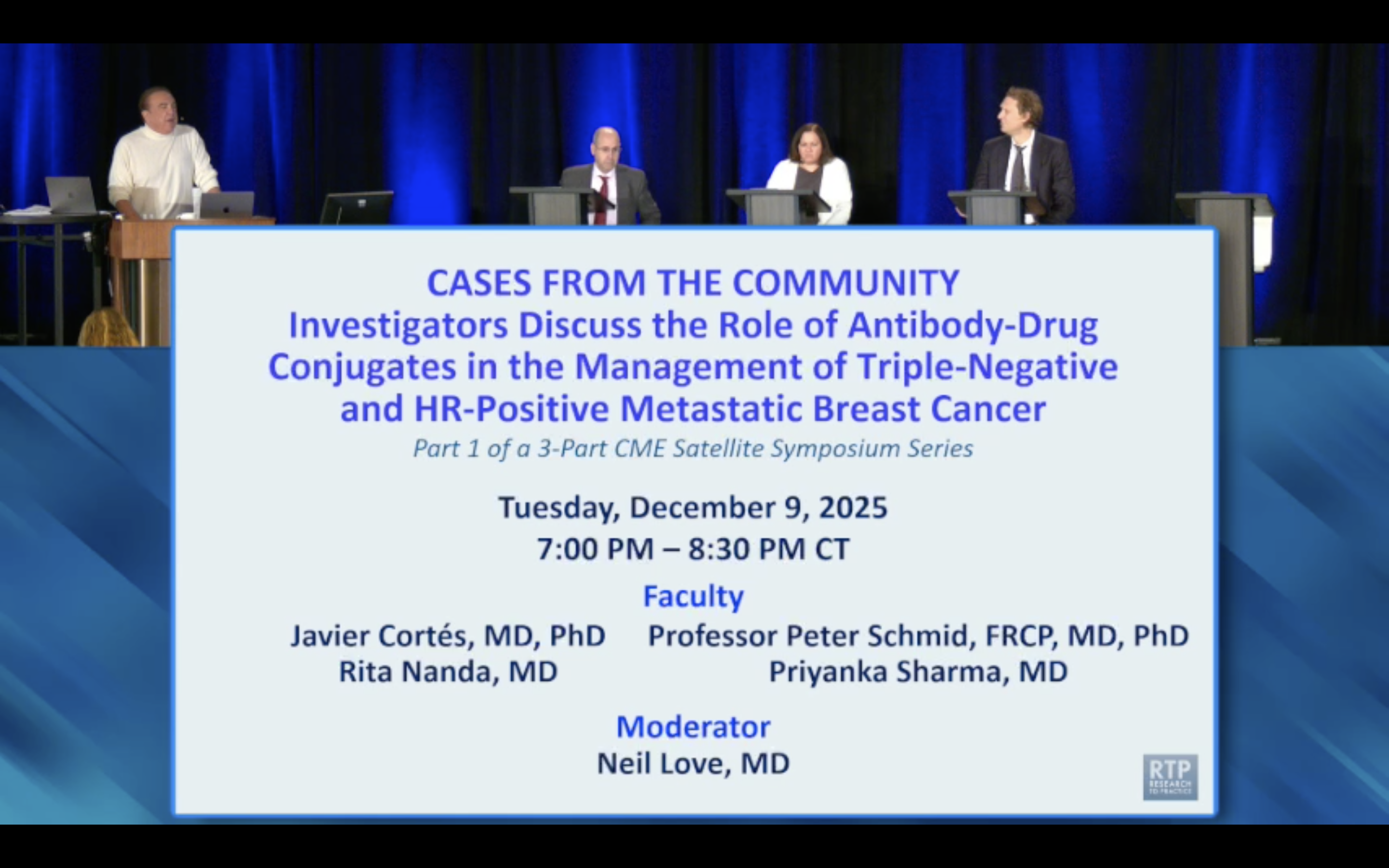
Unlike older antibody-drug conjugates (ADCs), newer agents are designed so their chemotherapy payload can diffuse out of the target cell and kill nearby tumor cells that may not even express the target antigen. This "bystander effect" significantly enhances their anti-tumor activity.
Clinical data revealed a surprising synergy: patients receiving TAMP after chemoradiation had a 60% two-year survival rate. The theory is that radiation remodels the tumor's microvasculature, reducing drug washout and effectively 'priming' the tumor for this regional therapy.
The platform doesn't just transport a drug. The T-cells themselves populate the tumor microenvironment, which is naturally 'cold' (lacking immune cells) in glioblastoma. This increases inflammatory activity, making the tumor more susceptible to the delivered therapeutic payload.