Get your free personalized podcast brief
We scan new podcasts and send you the top 5 insights daily.
Krishna Rao, Anthropic's CFO, describes compute as the company's "lifeblood." The decision of how much to procure is paramount, as over-purchasing leads to bankruptcy and under-purchasing means falling behind the frontier and failing customers. This frames compute not as a COGS but as the core strategic asset.
![Krishna Rao - Anthropic's CFO on Compute, Scaling to $30B ARR, and the Returns to Frontier Intelligence - [Invest Like the Best, EP.471] thumbnail](https://megaphone.imgix.net/podcasts/fdfca472-4e43-11f1-bf1a-cf5adcc9aeb5/image/b1ed0c54d8c57aae09fe68adc7d1fb32.jpg?ixlib=rails-4.3.1&max-w=3000&max-h=3000&fit=crop&auto=format,compress)
Related Insights
Unlike traditional software, OpenAI's growth is limited by a zero-sum resource: GPUs. This physical constraint creates a constant, painful trade-off between serving existing users, launching new features, and funding research, making GPU allocation a central strategic challenge.

At scale, renting compute from AWS, Google, or Microsoft is a strategic mistake for AI leaders like OpenAI and Anthropic. It creates a critical dependency, forcing them to enter the capital-intensive data center business to control their supply chain and destiny.

In its compute allocation meetings, Anthropic sets a non-negotiable floor for model development compute. This ensures they stay at the AI frontier, reflecting a belief that the long-term returns on intelligence outweigh short-term revenue opportunities.
Traditional accounting metrics misrepresent the financial health of AI companies. Their largest expenditure, acquiring compute power, should be viewed as an investment in a valuable, appreciating asset, not as a typical operating expense. This reframes the narrative around their massive cash burn.

Anthropic's strategy is fundamentally a bet that the relationship between computational input (flops) and intelligent output will continue to hold. While the specific methods of scaling may evolve beyond just adding parameters, the company's faith in this core "flops in, intelligence out" equation remains unshaken, guiding its resource allocation.

Anthropic CFO Krishna Rao's role extends far beyond traditional finance, focusing on securing the company's lifeblood: compute. He personally spearheads massive deals with Google, Broadcom, and Microsoft for TPUs and servers. This redefines the CFO role at an AI leader, where strategic compute acquisition is as crucial as financial planning or fundraising.

The traditional software paradigm of treating compute as a variable cost doesn't fit Anthropic. They view their entire compute "envelope" as a fungible resource allocated between immediate revenue (inference), future R&D (model development), and internal efficiency. The key metric is the robust return on the total spend.
Despite a $380 billion valuation, Anthropic's CEO admits that a single year of overinvesting in compute could lead to bankruptcy. This capital-intensive fragility is a significant, underpriced risk not present in traditional software giants at a similar scale.
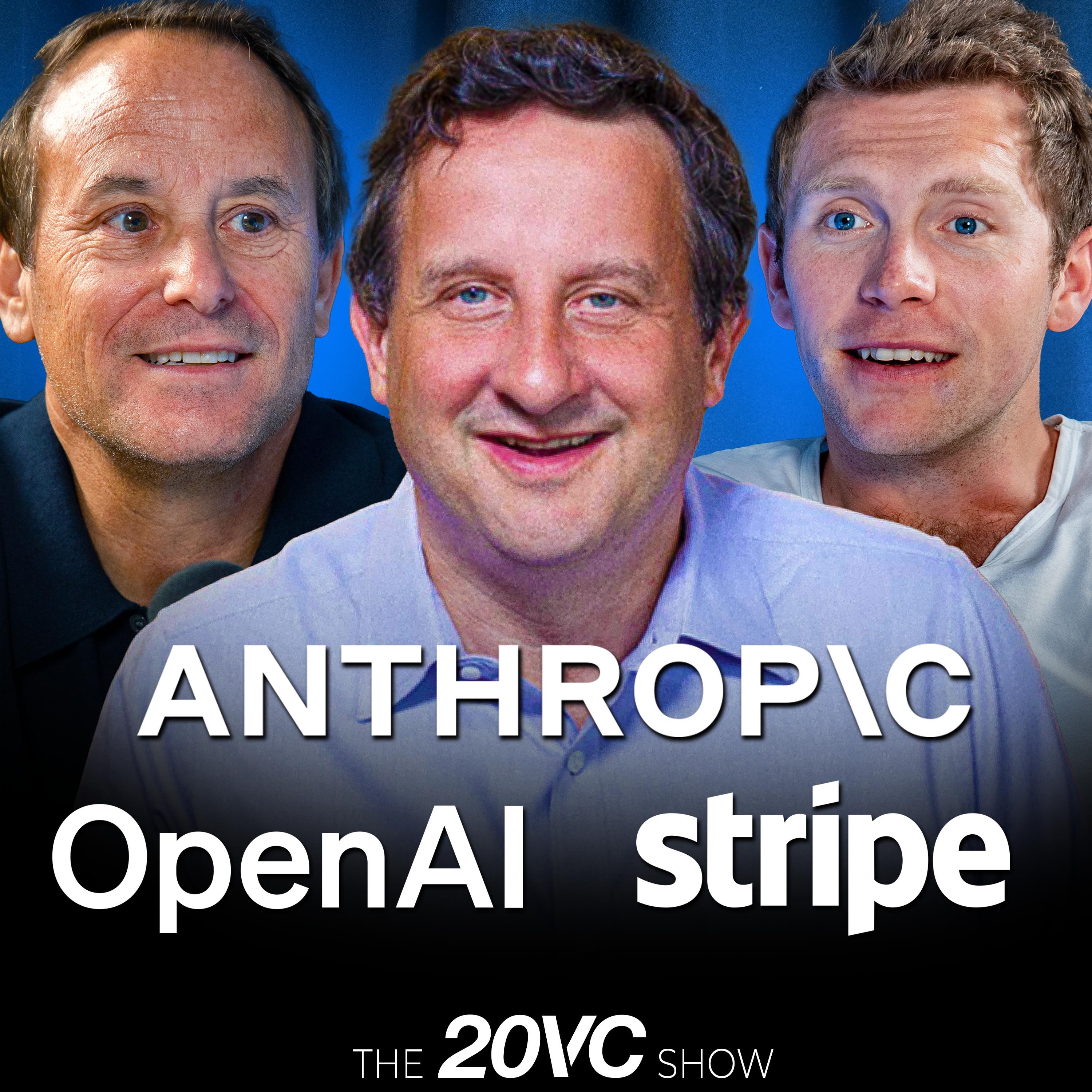
Instead of viewing compute as a cost center, OpenAI treats it as a revenue generator, analogous to hiring salespeople. The core belief is that demand for AI capabilities is so vast that they can never build compute fast enough to satisfy it, justifying massive, forward-looking infrastructure investments.

Sam Altman claims OpenAI is so "compute constrained that it hits the revenue lines so hard." This reframes compute from a simple R&D or operational cost into the primary factor limiting growth across consumer and enterprise. This theory posits a direct correlation between available compute and revenue, justifying enormous spending on infrastructure.