Get your free personalized podcast brief
We scan new podcasts and send you the top 5 insights daily.
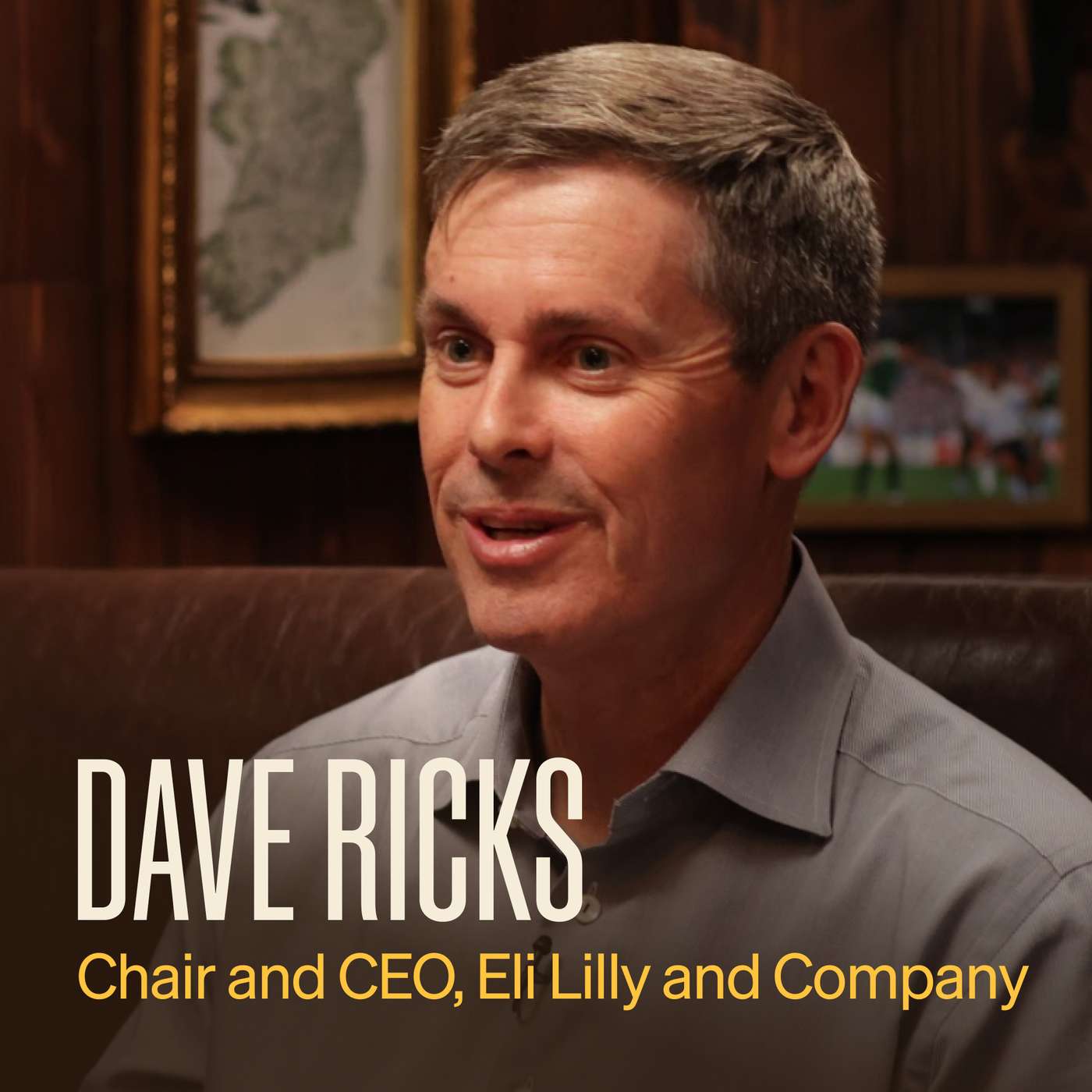
Standard pharmaceutical M&A playbook flushes acquired personnel and secondary pipeline assets to isolate lead candidates, which often later fail. Eli Lilly instead preserves acquired scientific teams and development baskets until proof of concept. Ricks notes that pharma acquirers cannot reliably pick which asset will generate value upfront, and keeping talent intact integrates vital scientific expertise into internal research leadership.

Related Insights
When Gilead acquired CAR-T leader Kite Pharma, it made a crucial decision not to fully integrate it. This preserved Kite's distinct, individualized therapy operating model, which is fundamentally different from a traditional "off-the-shelf" drug company, proving a key lesson in M&A strategy for novel platforms.

Contrary to seeking fully de-risked assets, pharmaceutical companies often prefer acquiring companies with some remaining clinical risk. This strategy allows them to leverage unique insights on early data to acquire assets at a better valuation, creating an opportunity for outsized returns before the value is obvious to others.

A successful acquisition strategy goes beyond the highest bid. It involves 'thinking like the molecule'—evaluating which buyer has the specific expertise, capabilities, and cultural alignment to best steward the asset's development. This reframes M&A from a financial transaction to a decision about the asset's future.

Successful acquisitions are a 'force multiplier' for learning. Instead of seeking an identical culture, Zevra's CEO looks for common missions and an opportunity to learn new competencies—like manufacturing techniques or commercialization strategies—from the acquired company, fostering growth through synergy.

When integrating acquired biotechs, Merck prioritizes retaining key talent and preserving ongoing science. The strategy involves immediate face-to-face engagement to reduce anxiety, followed by a pragmatic assessment of which processes must be standardized versus which can remain to avoid disrupting critical trials, a practice they call avoiding 'mercification'.
When pursuing a compelling biological target, Eli Lilly frequently backs all available therapeutic modalities at once—advancing internal pipelines while acquiring external competitors. Despite internal friction, Ricks notes that running parallel modalities lets pharma companies pick the winning molecule based on human clinical data rather than theoretical superiority, while broadening organizational scientific awareness.
Unlike typical pharma M&A where acquired executives depart, Eli Lilly retains and promotes talent from companies it buys, such as Jake Van Narden from Loxo Oncology. This tech-industry style "acqui-hire" strategy helps Lilly absorb entrepreneurial talent and institutional knowledge, embedding innovation directly into its senior leadership ranks.

The Takeda-Millennium acquisition was unique because Takeda wanted the people as a foundation for its new oncology unit. This focus on human capital allowed Dunsire to announce that all employees would keep their jobs—a rarity that preserved culture and enabled a smoother integration.

To avoid the pitfalls of scale in R&D, Eli Lilly operates small, focused labs of 300-400 people. These 'internal biotechs' have mission focus and autonomy, while leveraging the parent company's scale for clinical trials and distribution.
Lyora Therapeutics' model is built on acquiring promising, pre-clinically validated programs that larger companies shelved due to strategic shifts. This "asset-driven" approach allows a new company to rapidly build a pipeline without the cost and time of early-stage discovery, capitalizing on the sunk R&D costs of former owners.
