Get your free personalized podcast brief
We scan new podcasts and send you the top 5 insights daily.
The podcast leverages its hosts' decades of reporting experience as its primary value proposition. A-list artists like Taylor Swift choose the show for serious, in-depth conversations they can't get from celebrity-hosted or influencer-led podcasts.

Related Insights
The hosts were disappointed that their journalistically strong interview with a less-relevant Ed Sheeran 'totally tanked' in viewership. This demonstrates that pre-existing audience interest in a guest is a more powerful driver of success than the actual quality of the conversation.
The podcast's pitch actively counters audience burnout by promising a single, curated, "essential" conversation each week. This positioning respects the listener's time and offers a high-signal alternative in a saturated market, framing the podcast as a valuable weekly appointment rather than just another content stream.

The move to video favors formats cheap to produce visually, like interviews. This elevates celebrity talk shows while making expensive, long-form narrative series less viable, fundamentally changing what a 'typical' podcast looks and feels like for creators and audiences.

The NYT's audio strategy succeeds by creating intimate, personality-driven shows that feel like a friend explaining the news. This approach makes complex stories accessible, opening up entirely new engagement patterns and audiences beyond traditional readership.
Contrary to 'access journalism' norms, Popcast's willingness to be critical and not allow pre-approved questions builds credibility. This signals to artists that the platform is trustworthy and not transactional, which ultimately helps them book top-tier talent who respect the integrity.
A podcast isn't just content; it's a tool for building parasocial relationships. This creates a "tuning fork" effect, attracting high-caliber listeners and guests who feel they already know you, leading to valuable real-world connections and opportunities.

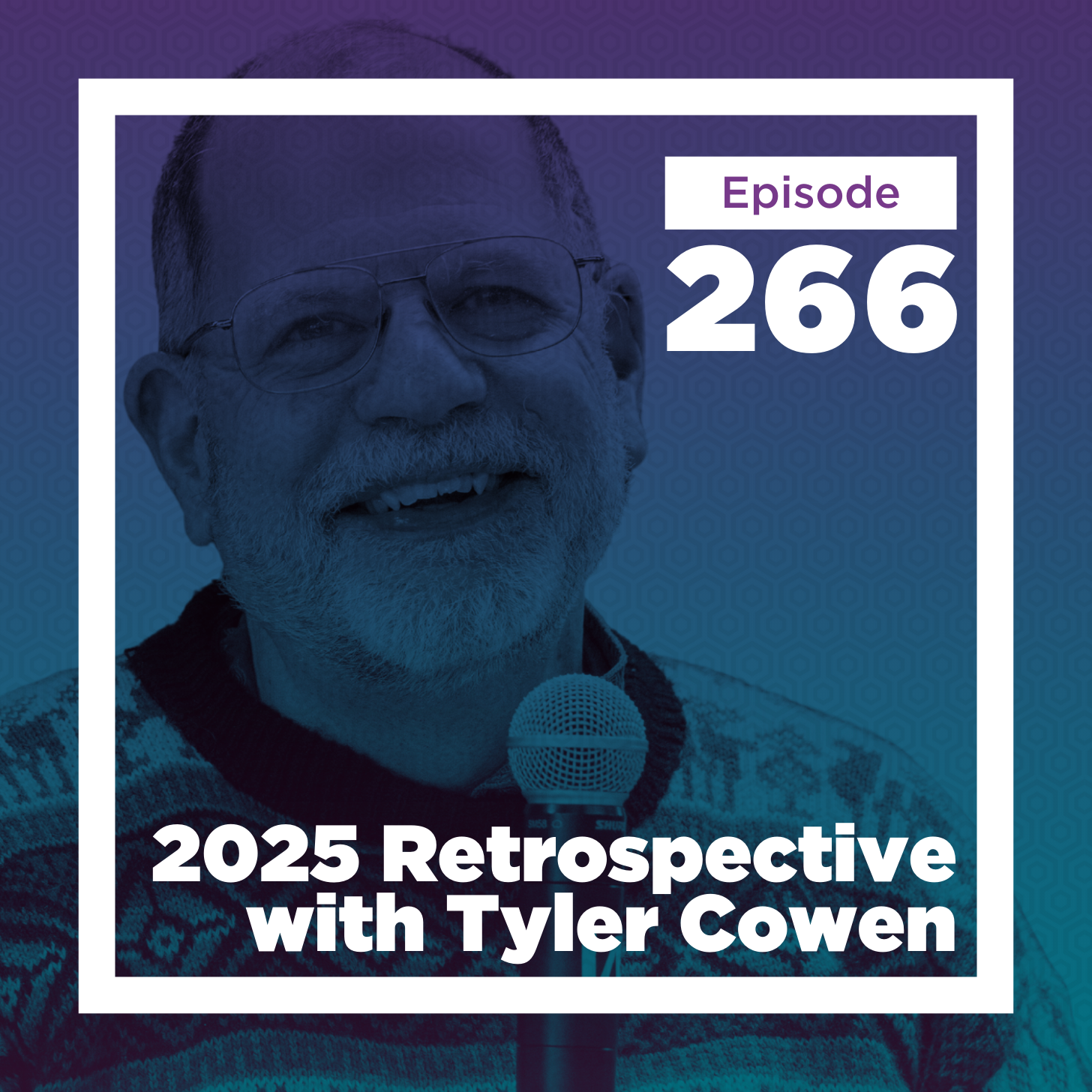
Contrary to the belief that obscure topics can go viral, "Conversations with Tyler" found its most popular episodes were overwhelmingly with well-known figures like Sam Altman. This suggests that for established podcasts, existing celebrity capital is the primary driver of top-tier listenership.
The podcast succeeded by focusing on quirky, evergreen topics like the 1920s Florida real estate bubble that wouldn't fit in a typical broadcast. This counter-cyclical content strategy allowed them to build a unique editorial voice and audience by providing deep context rather than chasing ephemeral headlines.

Podcast listenership data shows that high-profile guests like former PM Tony Blair may draw fewer views than a niche expert like a YouTuber tour guide. This suggests unique expertise and novelty can be more engaging to audiences than sheer fame.

Though often perceived as a low-status medium, podcasting provides unparalleled access to the world's most influential people. They participate because they benefit from your work, creating genuine relationships and opportunities that are inaccessible even to founders with significant venture capital backing.