Get your free personalized podcast brief
We scan new podcasts and send you the top 5 insights daily.
For patients developing grade 2 stomatitis on datopotamab deruxtecan, dose reduction is a critical and highly effective strategy to manage toxicity and allow them to continue treatment. This is often more impactful than supportive measures alone.

Related Insights
While hyperphosphatemia is an expected on-target effect of the FGFR inhibitor erdafitinib, clinicians find that side effects like stomatitis, diarrhea, dry mouth, and fatigue more frequently lead to dose reductions or discontinuation. Proactive management of these seemingly secondary toxicities is crucial for keeping patients on this effective therapy.

Though TROP2 antibody-drug conjugates share a mechanism, their adverse event profiles differ significantly. Datopotamab-deruxtecan commonly causes stomatitis, while Sacituzumab govitecan is associated with high rates of neutropenia, necessitating drug-specific management.

For drugs like enovalisib and gedatolisib with high rates of stomatitis, prophylactic use of a dexamethasone mouth rinse from day one is critical. This preventative measure significantly reduces the incidence and severity of painful oral sores, improving treatment tolerability.

Although 22% of patients experienced severe (Grade 3) mucositis, the treatment discontinuation rate due to adverse events was only about 3%. This disparity highlights that the side effect, while serious, was effectively managed with proactive dose reductions, preventing it from being a treatment-limiting factor for most patients.

Patient adherence to prophylactic steroid mouthwash is the critical factor in preventing severe stomatitis from datopotamab. Clinicians find that the most severe cases occur in patients who stop the rinse prematurely because they feel fine, highlighting the need for firm and continuous patient education on this non-negotiable preventive measure.

To manage the common side effect of stomatitis from datopotamab deruxtecan (Dato-DXd), a preemptive strategy is effective. Prescribing steroid mouthwash and advising patients to use ice chips during infusion can reduce the severity and incidence of this toxicity.
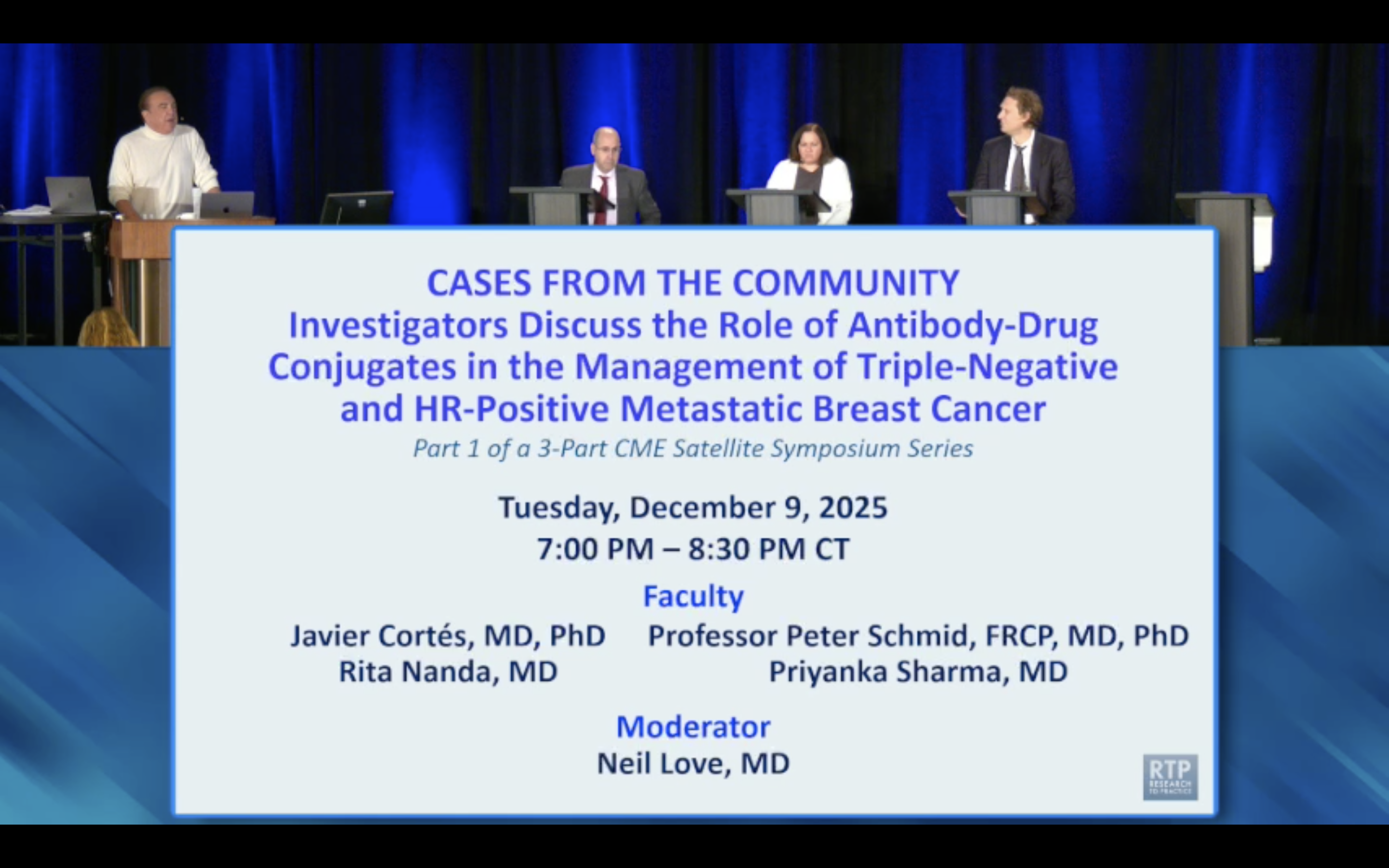
The significant stomatitis (mouth sores) associated with the ADC Dato-DXD requires proactive management. Beyond standard steroid rinses and ice chips, a new refrigerated 'chemo mouthpiece' device is being adopted in clinical practice as an innovative, non-pharmacologic tool to prevent this severe side effect.
Managing side effects of antibody-drug conjugates is not one-size-fits-all. Sazetuzumab-govatecan requires managing GI issues, while Datopotamab-deruxtecan has unique risks like ophthalmologic problems and ILD, necessitating pre-treatment specialist evaluation. Proactive patient education and tailored mitigation are key to maintaining treatment continuity and efficacy.
Clinicians can confidently reduce the dose of Datopotamab-deruxtecan to manage toxicity. Phase 1 data demonstrates a compelling efficacy signal even at a 4 mg/kg dose level, reassuring oncologists that dose reduction is a viable strategy to maintain treatment without sacrificing benefit.
The ADC Dato-DXD causes high rates of stomatitis and dry eye that are difficult to treat once they appear. Effective management requires aggressive, proactive prevention from the start of therapy using steroid mouthwash and lubricating eye drops, demanding significant patient engagement and vigilance.