Get your free personalized podcast brief
We scan new podcasts and send you the top 5 insights daily.
The common narrative that America's post-WWII economic boom paid off its debt is a myth. IMF research reveals that growth accounted for less than 25% of the debt reduction. The majority was achieved through decades of financial repression, where artificially low interest rates let inflation erode the debt's real value.

Related Insights
Instead of an explicit default, governments often employ 'financial repression.' This strategy, a 'soft default,' involves policies that lead to inflation, steadily eroding the purchasing power of citizens' savings and effectively stealing their economic value to manage national debt.

Instead of a transparent default, the U.S. government's strategy is to devalue its debt by keeping interest rates below inflation. This policy, known as 'financial repression,' erodes the real value of the dollar, effectively transferring wealth from savers and bondholders to the government to pay down its massive debt.
Ignore comparisons to the late 1990s. The current environment of massive government debt requires inflating our way out, similar to the post-WWII period. This suggests an era of hotter but shorter economic cycles (2-3 years), unlike the long, disinflationary expansions of recent decades.

By establishing the dollar as the world's reserve currency after WWII, the U.S. gained the unique power to run huge debts and print money. This effectively forced other countries holding and trading dollars to absorb the inflationary costs of U.S. spending, funding the 'American dream' at global expense.

Faced with massive debt, governments have five options: austerity, default, high growth, hyperinflation, or financial repression. Napier argues repression—keeping inflation above interest rates to erode debt—is the most politically acceptable path, just as it was post-WWII.

The US successfully used financial repression to pay down WWII debt because of a unique, unprecedented productivity boom and global economic dominance. Today, lacking these factors, applying the same strategy would crush the middle class instead of fostering growth, likely accelerating social unrest.

To manage national debt, the government uses "financial repression": keeping interest rates below inflation. This acts as a hidden tax, devaluing savings and hurting the middle class. It's compared to chemotherapy—a painful process that could destroy the economy before it cures the debt problem.
In a world of high debt and low organic growth (from demographics and productivity), the only viable path for governments is to ensure nominal GDP grows. This will likely be achieved through inflationary policies, making official low-inflation forecasts unreliable over the long term.
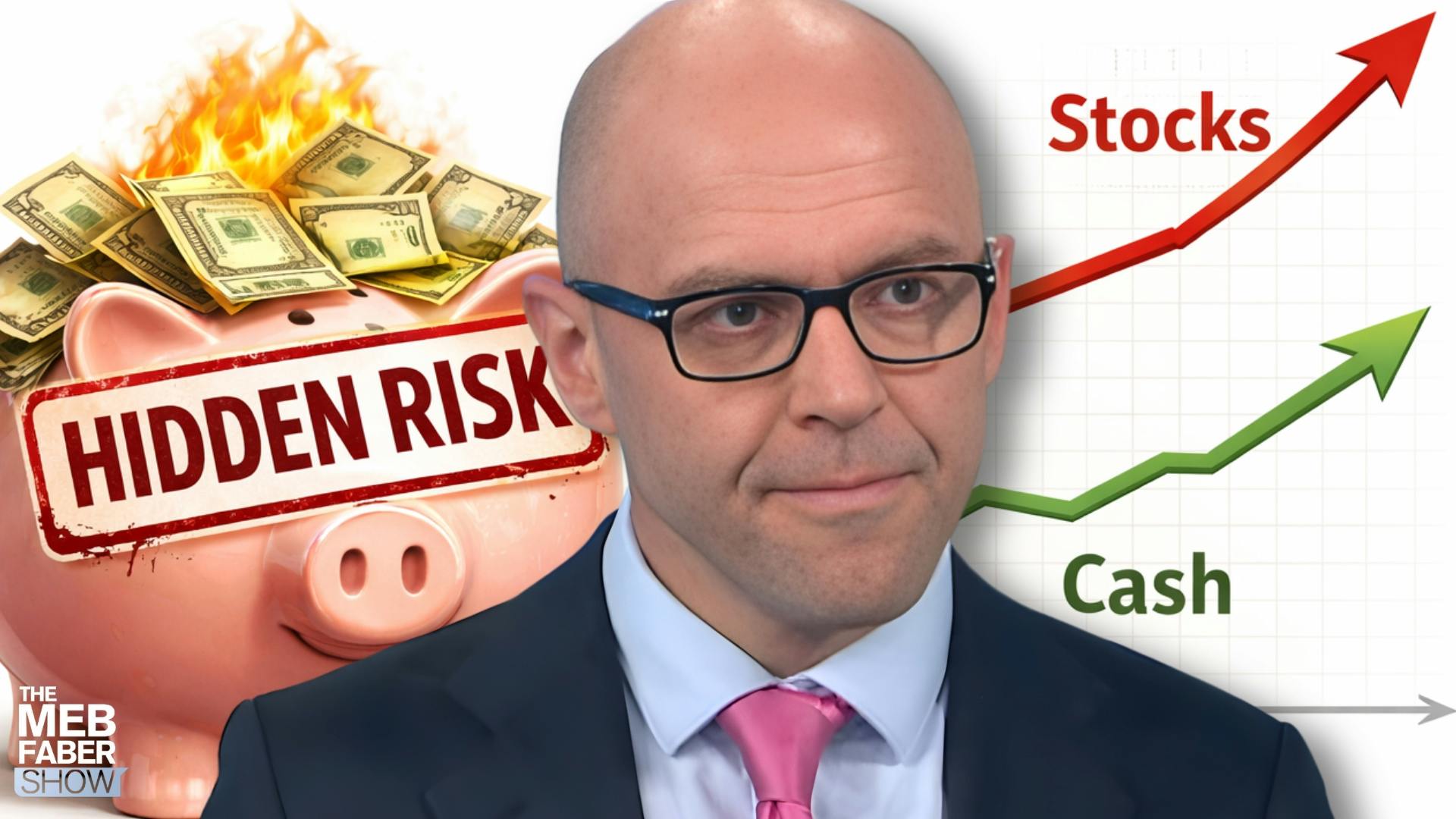
With debt-to-GDP at 130%, the implicit policy is to use inflation to devalue the debt burden. This is becoming explicit, with proposals like using tariff money for direct stimulus checks. This strategy favors risk assets and creates a 'full on euphoria tech bubble' if real yields go negative again.

Tyler Cowen predicts the US will eventually resort to several years of ~7% inflation to manage its national debt. This strategy, while damaging to living standards, is politically more palatable than raising taxes or cutting spending. Rapid, AI-driven productivity growth is the only plausible alternative to this outcome.