Get your free personalized podcast brief
We scan new podcasts and send you the top 5 insights daily.
Clayton Mellina says Transcripta builds disease signatures from patient single-cell RNA-seq, then screens drugs in cells to create its Drug Gene Atlas. It matches those signatures before committing to one protein target, keeping target identification open until later and widening the therapeutic search. Chris Moxham adds this combines phenotypic screening with efficient target-based work.

Related Insights
The company's breakthrough potential comes not from collecting raw DNA, but from linking it at an individual level to a rich set of "phenotype" data, including proteomics, metabolomics, and transcriptomics. This deep, multi-layered dataset from novel populations is what unlocks actionable insights for drug discovery.
A major cause of clinical trial failure is unforeseen toxicity. By creating AI-powered models based on single-cell atlases, researchers can predict which unintended cells express a drug's target receptor. This allows them to anticipate side effects, like kidney toxicity, in silico, saving billions in failed drug development.

Genomics (DNA/RNA) only provides the 'sheet music' for cancer. Functional Precision Medicine acts as the orchestra, testing how live tumor cells respond to drugs in real time. AI serves as the conductor, optimizing the 'performance' for superior outcomes.
Instead of the traditional 'disease-target-drug' approach, Soleil finds compounds that create a desired cellular change first. Only after identifying a promising, well-tolerated molecule with a known cellular mechanism do they use bioinformatics to determine which disease and patient population it's best suited for.
Allergy and AI Therapeutics uses a proprietary AI application to consolidate and query data from thousands of publications and public databases. This allows their team to rapidly answer critical questions about a potential target's expression on normal versus diseased tissue, significantly speeding up the target selection and validation process.
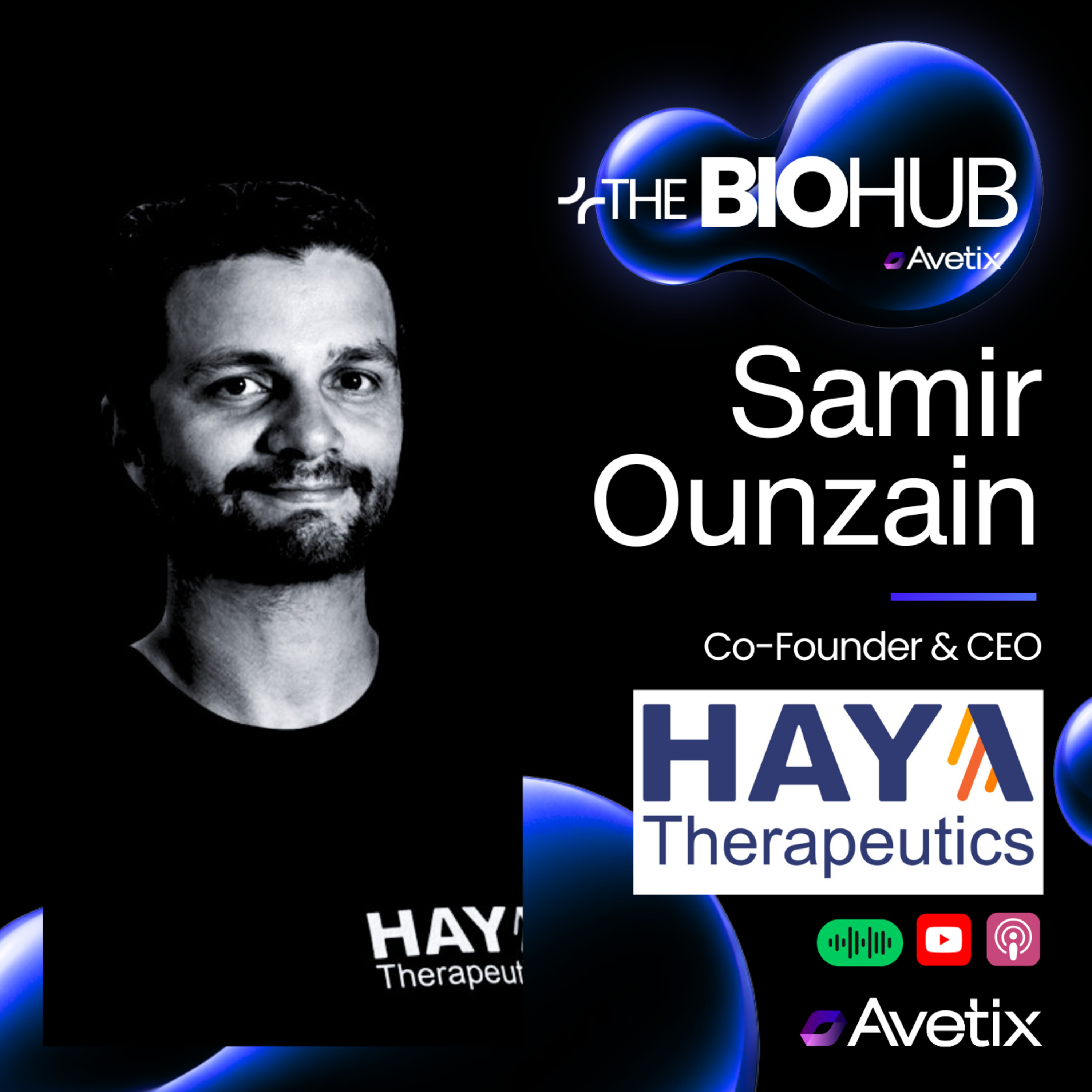
Haya's approach redefines the drug target. Instead of focusing on single proteins or pathways, they identify the "causal unit" of disease as the cellular behaviors that dictate how patients feel, function, and survive, and then work backwards to find a target.
Clayton Mellina describes a rare autism case where Transcripta found a cancer drug class that calmed hyperexcitability in patient neurons at lower doses. After clinical behavioral improvements in that single-patient cohort, the team found similar RNA signatures across broader genetic autism disorders, expanding the program.
Instead of screening vast libraries of compounds against a target, Hamlet first uses genome-wide and proteomic analysis to understand the core molecular basis of a disease. Only after defining the problem do they search for molecules to inhibit that specific disease pathway, letting the experiment guide them to the solution.
The primary bottleneck in drug development isn't creating therapies but identifying the right targets. Regeneron built its massive genetics database to find rare, protective genetic mutations in humans, effectively de-risking the target identification process and aiming to improve the industry's low success rate.
Soleil moves beyond the single-target model by mapping the entire flow of information a drug creates within a cell. They argue that even approved drugs have 30-40 other effects. By understanding the global cellular response from day one, they aim to better predict both efficacy and toxicity, addressing a key failure point in traditional discovery.