Get your free personalized podcast brief
We scan new podcasts and send you the top 5 insights daily.
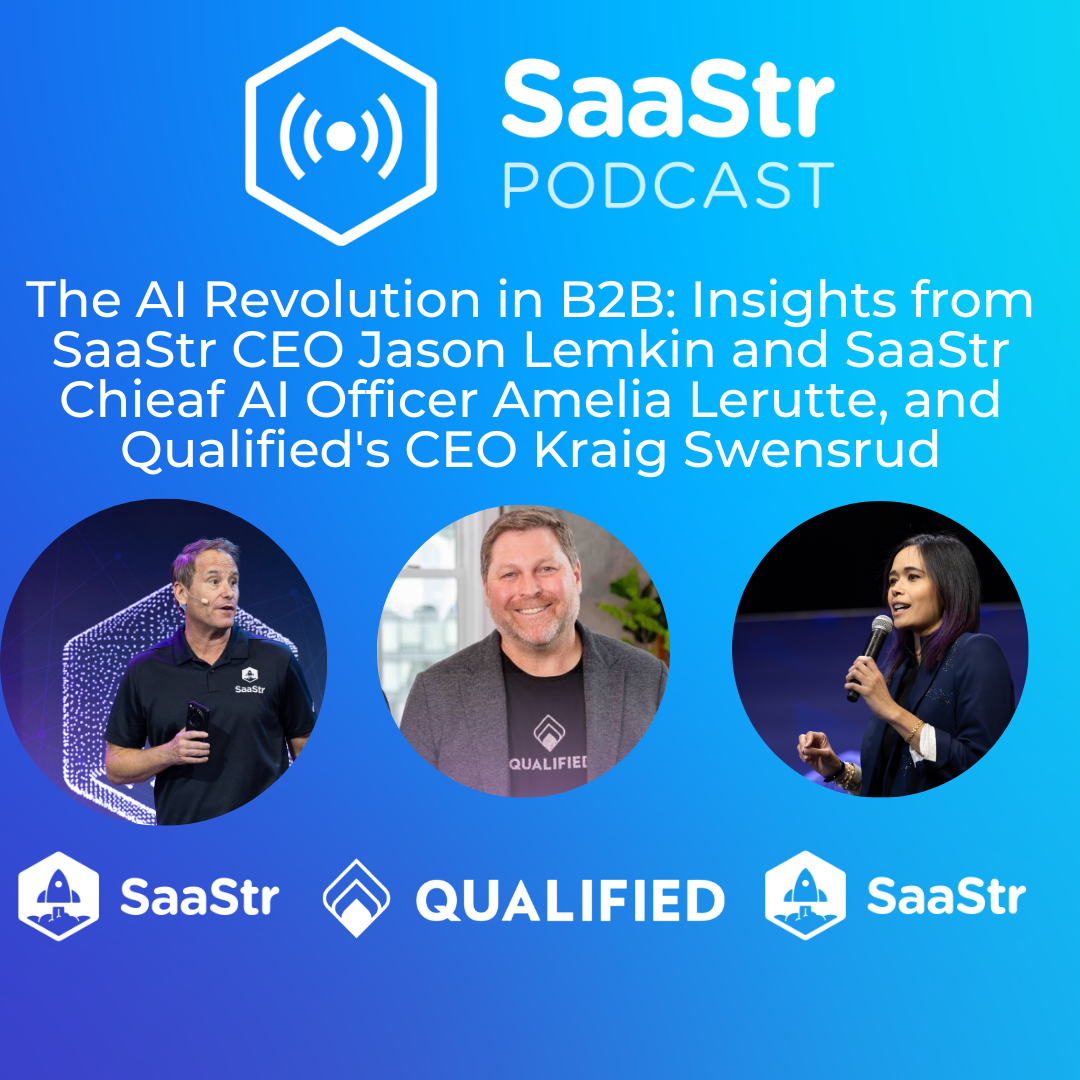
SaaStr's success with AI agents is not due to a unique brand or secret sauce, but a willingness to put in the work to deploy and test them. According to Monaco's CEO, this hands-on approach is the main thing separating early adopters from the rest of the market.

Related Insights
Enterprises will move slowly on deploying AI agents due to massive security and integration risks with legacy systems. Startups, with less to lose and cleaner stacks, will adopt agent-based workflows rapidly, creating a significant competitive advantage and widening the gap between incumbents and challengers.

The earliest adopters who understood the true potential of AI agents were not researchers or even most engineers, but platform users who experimented freely. Many professional engineers were laggards, tied to existing workflows and underestimating the new technology's capabilities.

The transformative power of AI agents is unlocked by professionals with deep domain knowledge who can craft highly specific, iterative prompts and integrate the agent into a valid workflow. The technology itself does not compensate for a lack of expertise or flawed underlying processes.
Autonomous agents are not "set it and forget it." SaaStr found that the more they interact with their agents daily—improving them, providing context, and training them—the better they perform. Consistent engagement is key to unlocking their full potential and increasing their value over time.

Successfully implementing AI isn't an overnight process. SaaStr's Chief AI Officer dedicated three months solely to learning and building agents. This focused effort, which feels like a slowdown, creates a "slingshot effect" where productivity and scale later accelerate dramatically.
While choosing a leading vendor is important, the ultimate success of an AI agent hinges on the deep, continuous training you invest. An average tool with excellent, hands-on training will outperform a top-tier tool with zero effort put into its refinement.
The individuals driving AI transformation share a specific mindset. They have 'high agency' to proactively build and experiment, combined with 'low tolerance' for inefficient processes. This contrasts with the pre-AI norm of passively accepting mediocre workflows.

A key sign of successful AI adoption isn't a reduced workload, but an increase in the team's ambition and capacity for experimentation. By lowering the cost and time of innovation, AI empowers teams to generate and test more ideas, which is a more valuable outcome than simply doing the same work faster.

Since AI agents dramatically lower the cost of building solutions, the premium on getting it perfect the first time diminishes. The new competitive advantage lies in quickly launching and iterating on multiple solutions based on real-world outcomes, rather than engaging in exhaustive upfront planning.

Companies can't become "AI First" by waiting for the technology to settle. Reid Hoffman states the journey requires a constant, dynamic process of weekly experimentation. Organizations must adopt now, learn from what works and what doesn't, and accept that some mistakes are inevitable.