Get your free personalized podcast brief
We scan new podcasts and send you the top 5 insights daily.
Though they sound similar, "double hit" and "double expressor" lymphomas are different entities. "Double hit" refers to genetic rearrangements (MYC and BCL2/BCL6), carrying the worst prognosis. "Double expressor" refers to protein overexpression without genetic rearrangement, conferring an intermediate prognosis that is better than double hit.

Related Insights
Effective treatment of HER2-driven NSCLC requires more than just identifying mutations. HER2 is a multiplexed biomarker where both genetic mutations (TKD and non-TKD) and protein overexpression (via IHC) are independently actionable. Comprehensive testing is crucial to ensure patients are eligible for the full range of available targeted therapies, including TKIs and ADCs.

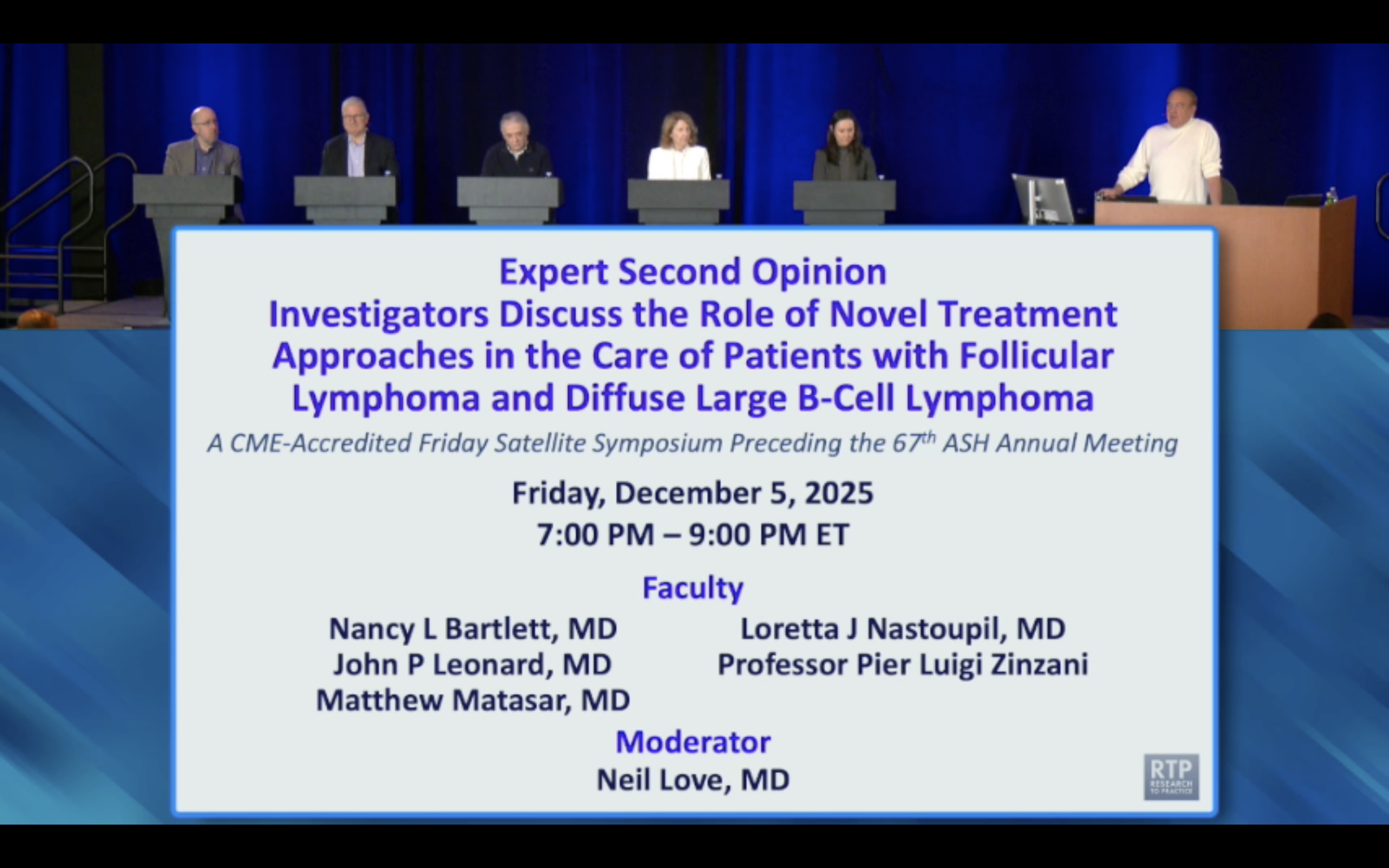
Despite the POLARIX trial showing greater benefit for Pola-R-CHP in non-GCB DLBCL, experts don't use this biomarker for treatment decisions. The community's IHC-based testing is considered too discordant with the trial's GEP method to be clinically reliable.

For limited-stage DLBCL, treatment decisions have evolved beyond a simple bulky vs. non-bulky assessment. The NCCN now uses the stage-modified IPI (SMIPI) score. A low score allows for abbreviated chemotherapy, while a high score mandates a more aggressive, advanced-stage treatment pathway regardless of tumor bulk.
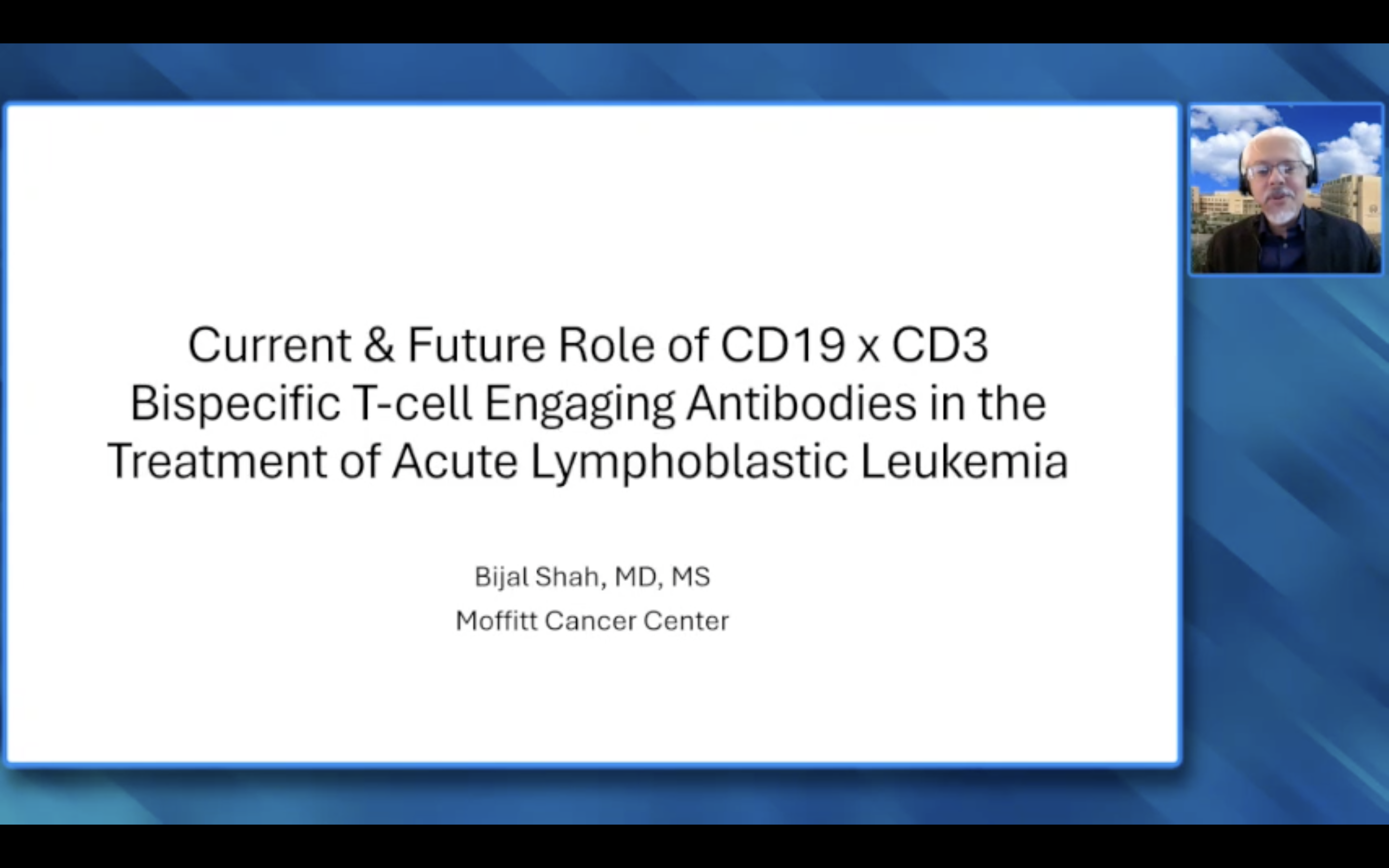
The survival gap between adult and pediatric ALL is not just about different chemotherapy regimens. Adults inherently have higher-risk genomic subtypes (like MLL rearrangements and PH-like ALL) and their cells show lower chemotherapy sensitivity even when normalized for the same genotype, making the disease fundamentally more difficult to treat.
Early data for BCL6 degraders in DLBCL is highly promising, representing a new class of targeted therapy. This approach, similar to degraders in breast and prostate cancer, could become a significant future treatment beyond established pathways.
Experts use a powerful analogy to explain SCLC's rapid growth: the near-universal loss of tumor suppressors p53 and RB is like having "broken brakes," while common MYC overexpression acts as a "gas pedal stuck down," leading to uncontrolled cellular proliferation and aggressive clinical behavior.

The traditional "germinal center" (GC) classification for DLBCL is overly simplistic. Molecular analysis reveals distinct subtypes within GC, such as "dark zone" and "light zone" signatures, which have different prognoses and responses to targeted therapies like polatuzumab.
In NSCLC, "HER2 positive" can mean one of three largely separate conditions: rare exon 20 mutations (~2%), rare gene amplifications (~2%), or more common protein overexpression (20-30%). Understanding these distinctions is critical for accurate biomarker testing and selecting appropriate therapies.

The traditional ABC/GCB classification for DLBCL is flawed. Single-cell sequencing reveals that tumors classified as one type via bulk analysis contain malignant cells of the other subtype. This underlying heterogeneity explains why the distinction is an imperfect predictor and will be replaced by more sophisticated biomarkers like T-cell exhaustion signatures.

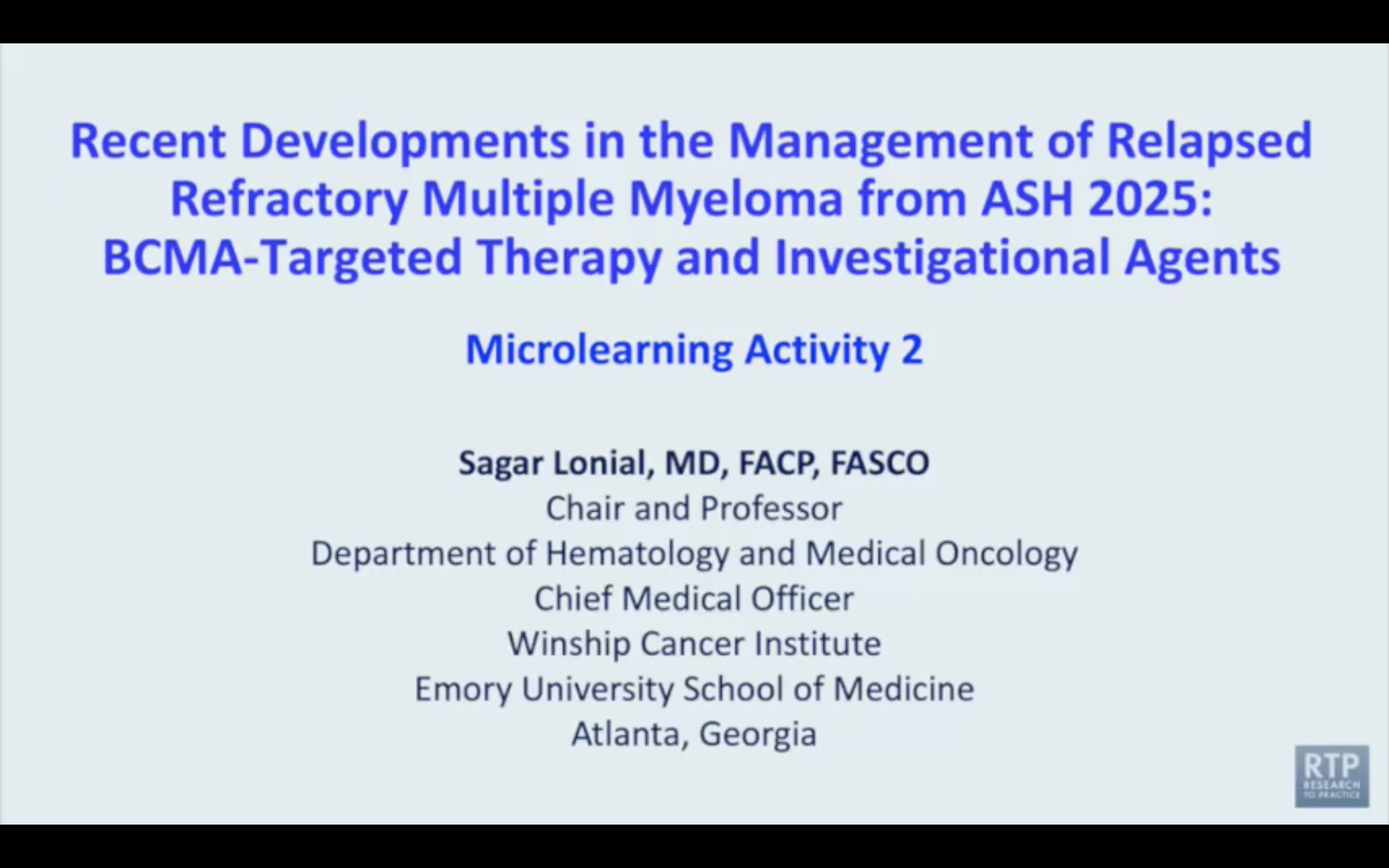
For multiple myeloma patients with the 11;14 translocation who respond poorly to initial induction, BCL-2 inhibition is becoming a crucial targeted strategy. New drug combinations are showing high efficacy, addressing a key unmet need and suggesting this approach will be central to improving outcomes for this specific genetic subset.