Get your free personalized podcast brief
We scan new podcasts and send you the top 5 insights daily.
The availability of a new therapy is often the primary driver for diagnostic adoption. For Lynch syndrome, many at-risk individuals don't get tested because there's no preventative treatment. Newscom believes its therapy will create a strong incentive for genetic testing, mirroring how checkpoint inhibitors drove a 5x increase in MSI screening.

Related Insights
True early cancer detection involves finding microscopic tumor DNA in blood samples. This can identify cancer years before it's visible on an MRI, creating an opportunity for a patient's own immune system to potentially eliminate it before it ever becomes a clinical disease.

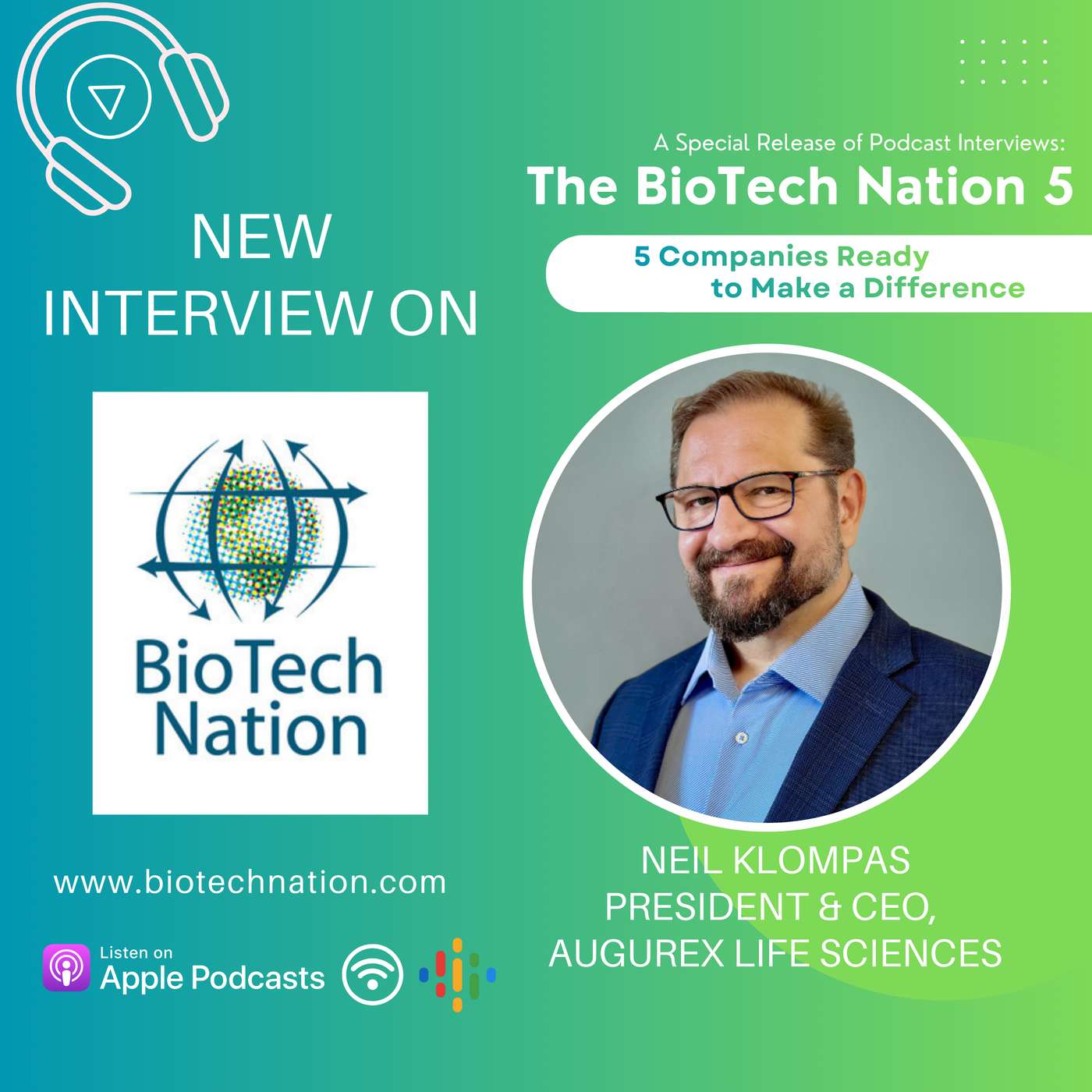
Augurex's diagnostic test doesn't require new drug development. It identifies patients who can benefit from existing, approved rheumatoid arthritis drugs like Humira. This reveals a powerful strategy: creating value by connecting a previously undiagnosed patient population to already established, effective therapies, bypassing the need for novel drug R&D.
The medical community is slow to adopt advanced preventative tools like genomic sequencing. Change will not come from the top down. Instead, educated and savvy patients demanding these tests from their doctors will be the primary drivers of the necessary revolution in personalized healthcare.
Even with advanced imaging for diseases like Alzheimer's, adoption stalls if diagnostic results don't change patient management. Physicians won't use a test that answers an academic question but doesn't lead to an effective treatment, rendering the technology clinically irrelevant without answering the 'so what?' question.

The personal genomics landscape is bifurcating. Direct-to-consumer companies offer broad, exploratory whole-genome sequencing for general interest, while clinician-mediated services provide targeted, actionable gene panels for specific medical conditions, creating distinct value propositions.

Newscom's strategy is to "intercept" cancer before tumors can form, a significant shift from traditional treatment. By training the immune system to eliminate precancerous cells as they emerge in high-risk groups like Lynch syndrome carriers, they move from reactive treatment to proactive prevention at a cellular level.
Treating genetic testing as a "magic" or specialized service reserved for counselors has caused a 30-year disservice to patients. This fear and hesitation has led to an estimated 38,000 missed opportunities annually to identify hereditary risk, resulting in larger cancers, harsher treatments, and more deaths.

With over 5,000 oncology drugs in development and a 9-out-of-10 failure rate, the current model of running large, sequential clinical trials is not viable. New diagnostic platforms are essential to select drugs and patient populations more intelligently and much earlier in the process.

Alt-Pep's SOBA blood test is a crucial companion diagnostic for its SOBIN-AD therapeutic. It allows for patient stratification by confirming the presence of the drug's target—toxic oligomers. This creates a rare, direct link between biomarker, target, and mechanism, significantly increasing the probability of clinical success.
During therapeutic trials, Plus Therapeutics discovered the standard diagnostic for leptomeningeal cancer was a test from 1904. Recognizing this critical gap, they acquired the advanced CNSide assay, turning a clinical development bottleneck into a synergistic, multi-billion dollar commercial opportunity.